Quick answer: In the first 72 hours after a nursing home admission, staff review the doctor’s orders, get to know your loved one, explain resident rights and write a baseline care plan, which federal rules require within 48 hours. Your job is to share what you know, ask who is in charge and get a copy of that plan summary.
What happens in the first 72 hours after a nursing home admission?
The first 72 hours after a nursing home admission are mostly about information: the facility learns who your loved one is, and you learn how the facility works. Every home runs its own schedule, but the first days in a nursing home usually follow the pattern below.
| When | What usually happens | What the family can do |
|---|---|---|
| Admission day | Staff settle your loved one into the room, review the doctor’s orders, ask about health history and daily habits, and go over paperwork and resident rights. | Hand over your information sheet, meet the nurse on duty and ask who the main contact is. |
| Day 2 | More staff introduce themselves. This may include nursing, therapy, dietary, activities and social services. The team works on the baseline care plan. | Share routines and preferences. Ask when the baseline care plan summary will be ready. |
| Day 3 | A routine starts to form: meals, care, therapy if it was ordered, and activities. | Review the plan summary, raise anything that looks off and ask when the full care plan meeting will be. |
If the words staff use are new to you, our plain-English glossary of skilled nursing terms explains the common ones.
What does the nursing home have to do right away?
A nursing home that takes part in Medicare or Medicaid has a short list of things it must do at or soon after admission under federal rules. Knowing them helps you ask better questions.
- Have doctor’s orders in place. At the time a resident is admitted, the facility must have physician orders for the resident’s immediate care.
- Explain resident rights. The facility must give a notice of rights and services before or at admission, both out loud and in writing, in a language the resident understands.
- Write a baseline care plan within 48 hours. More on this below.
- Tell you who the doctor is. Residents have the right to choose their attending physician, and the facility must keep them informed of the name and specialty of the physician in charge of their care and how to reach that person.
- Share advocacy contacts. The facility must provide and post contact information for state agencies and advocacy groups, including the State Long-Term Care Ombudsman program.
What is a baseline care plan, and when is it due?
A baseline care plan is the short, first version of a resident’s care instructions, and the facility must develop it within 48 hours of admission. Under the federal rule, it has to include at least the resident’s initial goals, physician orders, dietary orders, therapy services and social services.
The facility must also give the resident and the resident’s representative a summary of that plan. The summary covers the initial goals, a summary of medications and dietary instructions, and the services and treatments the facility will provide. If nobody offers it, ask for it by name: “May we have the baseline care plan summary?”
The baseline plan is a starting point. The fuller picture comes later:
- A comprehensive assessment must be completed within 14 calendar days after admission.
- A comprehensive care plan must be developed within 7 days after that assessment is completed.
- The resident and the resident’s representative take part in that plan to the extent practicable.
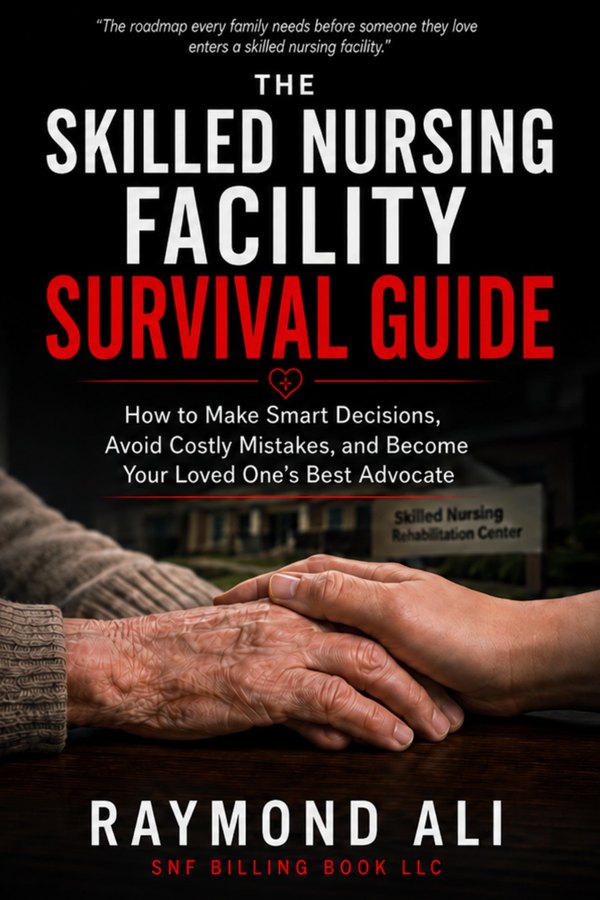
A guide for the first days and beyond: The Skilled Nursing Facility Survival Guide walks families through a nursing home stay in plain English: who does what, how care planning works, which questions to ask and how to speak up when something isn’t right. Get it on Amazon or Barnes & Noble.
Who will you meet during the first days in a nursing home?
You will usually meet the nurses and nurse aides first, because they give most of the hands-on care. Over the first few days you may also meet a social worker, therapy staff, dietary staff and the activities team. Job titles vary from one home to the next.
Write down names, roles and phone numbers as you go. Three questions are worth asking early:
- Who is the best person to call with a question, and when is that person here?
- Who is the physician responsible for my relative’s care, and how do we reach the office?
- Who will call the family if something changes, and which family member is listed as the contact?
What should families do in the first 72 hours?
Families should use the first 72 hours to share information, learn the routine and set up clear communication. This checklist covers the basics.
- Bring a one-page sheet about your loved one: usual routine, food likes and dislikes, hearing aids, glasses or dentures, what calms them, and what they like to be called.
- Give staff the names and numbers of their regular doctors and of the family contact.
- Bring copies of any advance directive or health care power of attorney, if your loved one has one.
- Label clothing and personal items, and ask how the facility keeps track of belongings.
- Ask for the baseline care plan summary and read it together.
- Ask when the full care plan meeting will be held and say that you want to attend.
- Ask about visiting, phone calls and the best times to reach staff.
- Find the posted ombudsman contact information and save the number.
- Keep a notebook with dates, names and what you were told.
- If the stay is meant to be short, ask early how discharge planning works.
Medicare’s guide to living in a nursing home says residents can keep personal items in the home unless that would affect the rights, health or safety of others. A few familiar things, such as photos or a favorite blanket, can help a new room feel less strange.
If you are still choosing a facility, see our guide on how to find a nursing home quickly.
What paperwork will you be asked to sign at admission?
You will be asked to sign an admission agreement, which is the contract between the resident and the facility, along with consent and information forms. Medicare’s guide advises reading the agreement carefully before signing. You can ask for a copy and take time with it.
Federal rules say a facility must not ask or require residents to waive their rights as a condition of admission. A facility also must not require a third party, such as an adult child, to personally guarantee payment as a condition of admission. Before you sign, ask in what role you are signing.
This is general education, not legal advice. If you have questions about a contract or about signing for a relative, talk to an elder-law attorney in your state.
Frequently asked questions
Can family visit during the first few days?
Yes. Under federal rules, residents have the right to receive visitors of their choosing at the time of their choosing, as long as visits don’t impose on the rights of other residents. Ask the facility about its visiting policy when you arrive.
When will a doctor see my relative after admission?
Federal rules require that a resident be seen by a physician at least once every 30 days for the first 90 days after admission. Many residents are seen sooner, and timing differs by facility. Ask the nurse when the first visit is expected.
Can the family see the care plan?
The facility must give a summary of the baseline care plan to the resident and the resident’s representative. Residents also have the right to take part in developing their care plan. Other relatives are usually included when the resident wants them involved.
Who do we talk to if something goes wrong in the first days?
Start with the staff involved, then go to a supervisor, the social worker, the director of nursing or the administrator. Residents also have the right to contact the long-term care ombudsman at any time. Ombudsman programs work to resolve problems that affect residents’ health, safety, welfare and rights.
Resources: books that help families through a nursing home stay
These five guides and workbooks by Raymond Ali are written for families in the middle of these decisions. You can also see them all in the SNF Books collection.
The Skilled Nursing Facility Survival Guide
Buy on Amazon · Buy at Barnes & Noble
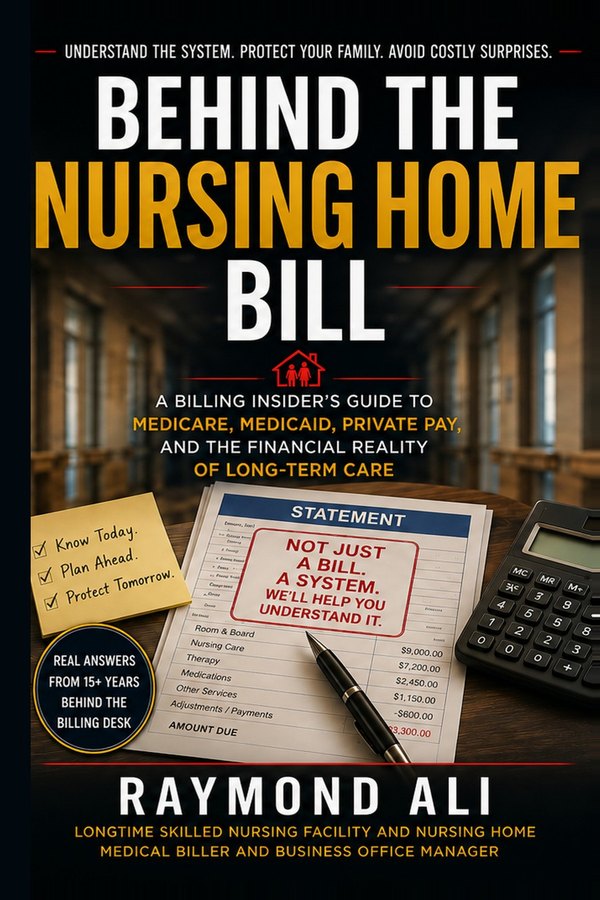
Behind the Nursing Home Bill
Buy on Amazon · Buy at Barnes & Noble
Aging Parent Emergency Information Binder
Buy on Amazon
Home Care Agency Hiring & Interview Checklist
Buy on Amazon
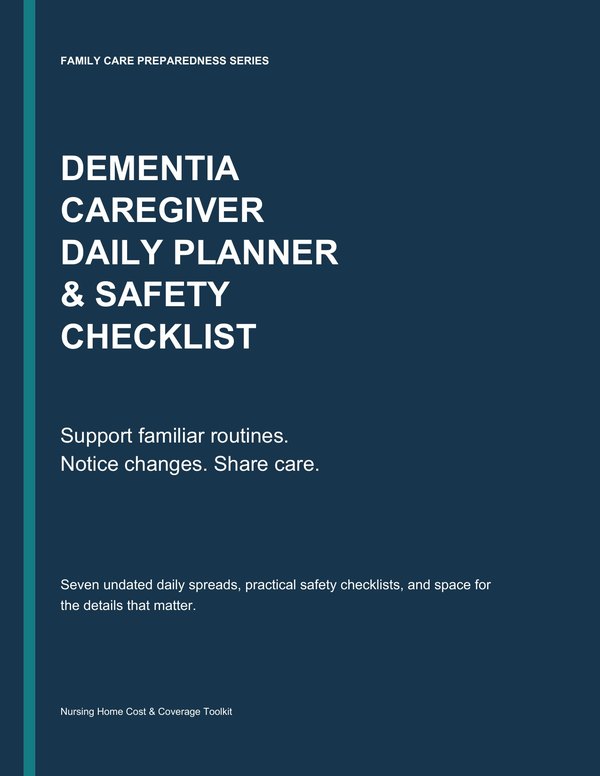
Dementia Caregiver Daily Planner & Safety Checklist
Buy on Amazon
Sources
- Code of Federal Regulations: 42 CFR 483.21, Comprehensive person-centered care planning
- Code of Federal Regulations: 42 CFR 483.10, Resident rights, plus sections 483.15, 483.20 and 483.30
- Medicare.gov: Your guide to living in a nursing home
- Administration for Community Living: Long-Term Care Ombudsman Program
Disclaimer: This article is educational only. It is not legal, financial or medical advice.


One response to “What Happens the First 72 Hours After Nursing Home Admission?”
[…] your parent was recently admitted, our post on the first 72 hours after a nursing home admission explains the paperwork families are handed in those first […]
LikeLike