Quick answer: The documents you need for an elder law attorney fall into four groups: existing legal papers such as a will and powers of attorney, financial records, insurance and benefit information, and a short summary of your parent’s health and care situation. Bring copies, a list of questions and, whenever possible, your parent.
What documents do you need for an elder law attorney?
You need the documents that show an elder law attorney who your parent is, what they own and owe, what legal papers already exist and what kind of care they need. Every office has its own intake list, so ask for it when you book. The table below covers what most families are asked to gather.
| Group | What to gather | Why it helps |
|---|---|---|
| Personal information | Full legal name, date of birth, address, marital status, names and contact details for close family; marriage, divorce or military discharge papers if they apply | Tells the attorney who is involved and which rules may apply |
| Existing legal papers | Will, trust, durable power of attorney, health care power of attorney, living will, any guardianship or court papers | Shows what is already in place and what may need updating |
| Financial records | Recent bank and investment statements, retirement accounts, sources of income, most recent tax return, property deed, vehicle titles, mortgage and loan statements | Gives a full picture of income, property and debts |
| Insurance and benefits | Medicare and other health insurance cards, long-term care and life insurance policies, Social Security and veterans benefit letters | Shows what coverage and benefits exist today |
| Health and care | List of doctors, a brief summary of current care needs, any facility admission agreement or recent facility bills and notices | Explains why you are seeking advice now |
The National Institute on Aging suggests keeping important papers together in one place and telling a trusted person where they are.
Which legal papers should you bring to an elder law consultation?
Bring every legal document your parent has already signed, even if it is old or you think it is out of date. The attorney needs to see the actual wording. These are the most common ones:
- Will. Names who should receive money and property after death.
- Trust. A living trust is another way to give instructions for how property should be handled.
- Durable power of attorney. Names someone to make financial and legal decisions. “Durable” means it stays in place if the person becomes unable to make their own decisions.
- Health care power of attorney. Names the person your parent wants to make medical decisions if they cannot. Some states call this a health care proxy.
- Living will. States your parent’s wishes for medical treatment if they are too sick to speak for themselves.
- Court papers. Any guardianship or conservatorship order, if a court has already appointed someone.
State laws differ, and some states require specific forms. If your parent has moved since signing, tell the attorney which state the papers came from.
What financial records will an elder law attorney ask about?
An elder law attorney will usually ask about income, property, debts and how each account is titled, because the right advice depends on the whole picture. Gather what you can from this list:
- Sources of income, such as Social Security, pensions and retirement accounts
- Recent statements for bank, savings and investment accounts
- The most recent income tax return
- The deed to the home and any other property, plus vehicle titles
- Mortgage, loan and credit card statements
- Life insurance and long-term care insurance policies
- Names on each account and any named beneficiaries
Ask the office how far back statements should go. Some matters call for several years of records, and it is easier to request them from the bank early than to rush later.
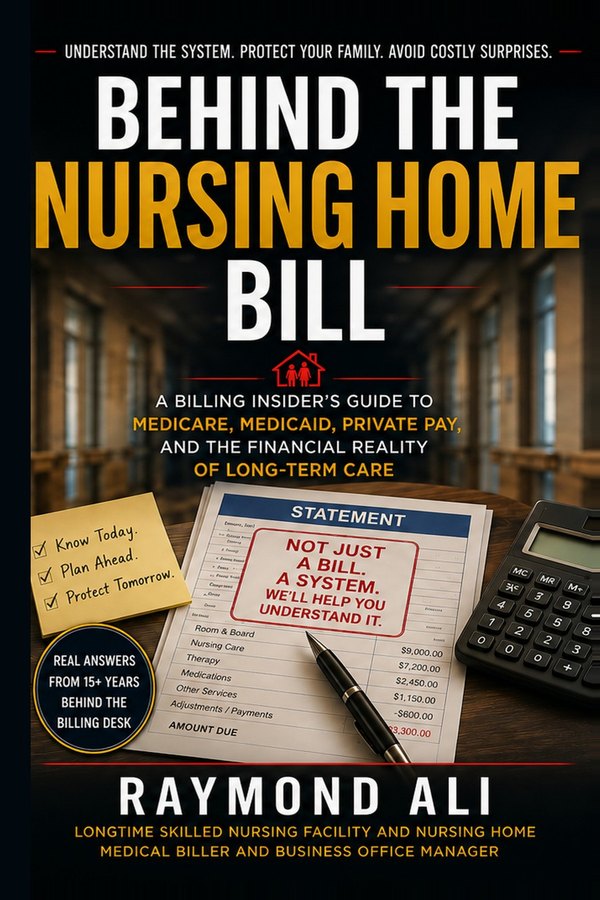
Understand the paperwork before the meeting: Behind the Nursing Home Bill explains in plain English how nursing home billing works and what the terms on a statement mean, so you can walk into an attorney’s office with clearer questions and better-organized records. Get it on Amazon or Barnes & Noble.
What medical and care information helps the attorney?
A short, factual summary of your parent’s care situation helps the attorney understand what decisions are coming.
- Where your parent lives now: at home, in assisted living, in a hospital or in a nursing home
- Names and phone numbers of their main doctors
- What help they need with daily life, in a sentence or two
- Any admission agreement or other papers a facility has asked the family to sign
- Recent bills, statements or notices from a hospital or facility
- Any deadline you have been given, such as a planned discharge date
If your parent was recently admitted, our post on the first 72 hours after a nursing home admission explains the paperwork families are handed in those first days.
Who should come to the first meeting with an elder law attorney?
Your parent should come to the first meeting whenever they are able, because they are the one who signs documents and makes the decisions. Ask the office ahead of time who the client will be. Often it is the older adult, and the attorney may want to speak with them alone for part of the visit.
Keep the group small: your parent plus one or two family members who will be helping. The National Institute on Aging also suggests giving permission in advance for a doctor or lawyer to talk with a caregiver as needed, which may mean signing a form.
If your parent is not ready for this step, see our guide on how to talk to your parents about senior care.
What should you ask before and during the consultation?
Ask about fees and what to bring before you book, then ask about next steps during the meeting. The National Institute on Aging advises asking about fees before making an appointment.
- Is there a charge for the first meeting, and how do you bill after that?
- Do you have an intake form or a list of what to bring?
- Which documents does my parent need now, and which can wait?
- What should we do, or avoid doing, before we meet again?
- Who in your office do we call with questions?
How do you find an elder law attorney or free legal help?
You can find an elder law attorney through the National Academy of Elder Law Attorneys directory or your state or local bar association, according to the Consumer Financial Protection Bureau.
Some older adults qualify for free help. The Consumer Financial Protection Bureau notes that people age 60 and older may qualify for free legal services, depending on local program guidelines. The Eldercare Locator, a public service of the Administration for Community Living, can connect you with your Area Agency on Aging at 1-800-677-1116.
This article is educational only and is not legal advice. Laws and forms differ by state. Talk to an elder-law attorney in your state about your family’s situation.
Frequently asked questions
Should I bring originals or copies?
Bring copies unless the office asks for originals. Keep originals in a safe place at home and write down where each one is kept, so the attorney knows they exist and you can find them later.
What if my parent has no legal documents at all?
That is common, and it is a good reason to make the appointment. Bring the personal, financial and insurance information you have. The attorney can explain which documents fit your parent’s situation under your state’s law.
Does a power of attorney take away my parent’s right to decide?
No. According to the Alzheimer’s Association, a person keeps the right to make their own decisions as long as they have legal capacity, and a power of attorney does not override that. Ask the attorney how this works in your state.
How do I keep everything organized after the meeting?
Keep one folder or binder with copies of the signed documents, a contact list and the attorney’s instructions. A workbook such as the Aging Parent Emergency Information Binder gives you a place to record it all.
Resources: books that help families get organized
These five guides and workbooks by Raymond Ali are written for families in the middle of these decisions. You can also see them all in the SNF Books collection.
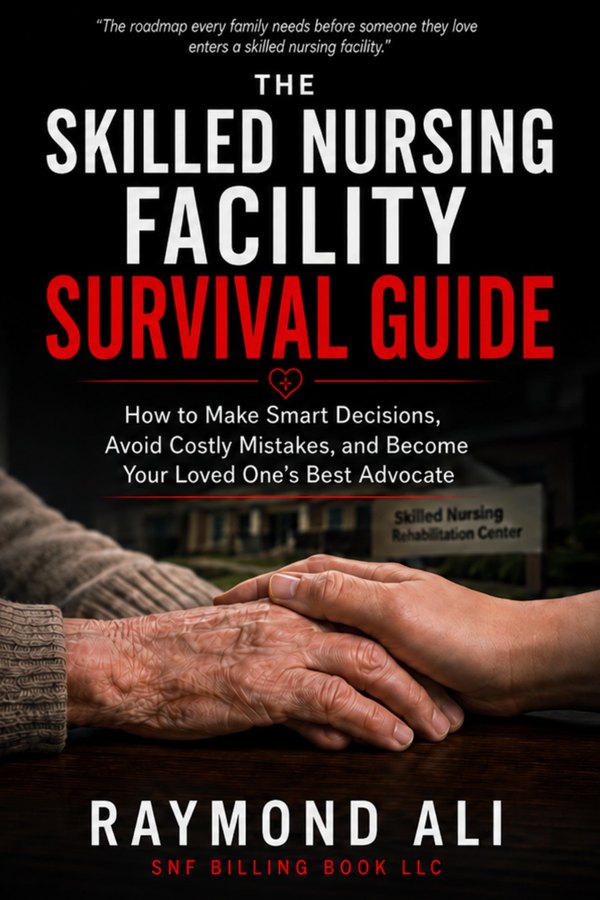
The Skilled Nursing Facility Survival Guide
Buy on Amazon · Buy at Barnes & Noble
Behind the Nursing Home Bill
Buy on Amazon · Buy at Barnes & Noble
Aging Parent Emergency Information Binder
Buy on Amazon
Home Care Agency Hiring & Interview Checklist
Buy on Amazon

Dementia Caregiver Daily Planner & Safety Checklist
Buy on Amazon
Sources
- National Institute on Aging: Getting your affairs in order checklist
- Consumer Financial Protection Bureau: How can I find an attorney who specializes in elder law?
- Alzheimer’s Association: Legal documents
- Administration for Community Living: Legal services for older adults and the Eldercare Locator
Disclaimer: This article is educational only. It is not legal, financial or medical advice.

