Quick answer: To talk to your parents about senior care, start early, before a health scare forces the decision. Pick a calm moment, ask what matters most to them, listen more than you speak, and learn the options together. Expect several short conversations instead of one big one, and write down what you agree on.
When should you talk to your parents about senior care?
The best time to talk to your parents about senior care is before they need it. The National Institute on Aging puts it plainly: the best time to think about long-term care is before you need it, because planning ahead gives a family time to learn about services and make decisions while the older person can still take part.
You don’t need a perfect moment. A natural opening often works better than a formal announcement:
- A friend or relative of theirs has moved, had a fall or gone into the hospital.
- You are updating your own paperwork and can say, “I just did mine. Have you done yours?”
- A birthday, a retirement or a move brings up plans for the next few years.
- Your parent mentions that the stairs, the yard or driving at night is getting harder.
Avoid starting the talk in the middle of a holiday dinner, during an argument, or in a hospital hallway if you can help it. If you are already in a hurry, our guide on how to find a nursing home quickly covers the short-notice version.
How do you start the conversation without upsetting them?
You start by asking about their wishes, not by announcing your worries. A parent who feels asked is far more likely to keep talking than a parent who feels managed. These approaches tend to help:
- Lead with their goals. Try “What would you want if you ever needed more help at home?” instead of “You can’t live here alone anymore.”
- Use “I” statements. “I worry about not knowing what you’d want” lands better than “You need to face facts.”
- Keep it small. One topic per talk is plenty. You can come back to the rest.
- Listen first. Let them finish, even when you disagree. Repeat back what you heard.
- Make it clear who decides. Say out loud that the goal is to follow their wishes, not to take over.
What should you ask your parents about future care?
Ask about four things: where they want to live, who they want helping, who should speak for them, and where the important papers are. The table below gives you wording to borrow.
| Topic | A question to try | What to write down |
|---|---|---|
| Home and housing | “If this house got hard to manage, what would you want to do?” | Their first choice and their backup choice |
| Daily help | “What would you be comfortable having someone help with?” | Tasks they’d accept help with now and later |
| Health decisions | “If you couldn’t speak for yourself, who should the doctors call?” | The person’s name and whether it is in writing |
| Paperwork | “Where do you keep your insurance cards and legal papers?” | Locations, plus the names of their doctors and attorney |
| Family roles | “Who do you want involved in these decisions?” | Who gets called first, and who does what |
| What matters most | “What would you never want to give up?” | Pets, faith community, privacy, routines |
The health-decisions row is about advance care planning. According to the National Institute on Aging, advance directives are legal documents that give instructions for medical care and take effect only if a person can no longer communicate their own wishes. The two most common are a living will and a durable power of attorney for health care, which names someone to make decisions. The forms and signing rules differ from state to state, and a person can update them as their views change.
This is general education, not legal advice. For questions about powers of attorney, advance directives or other legal documents, talk to an elder-law attorney in your parent’s state.
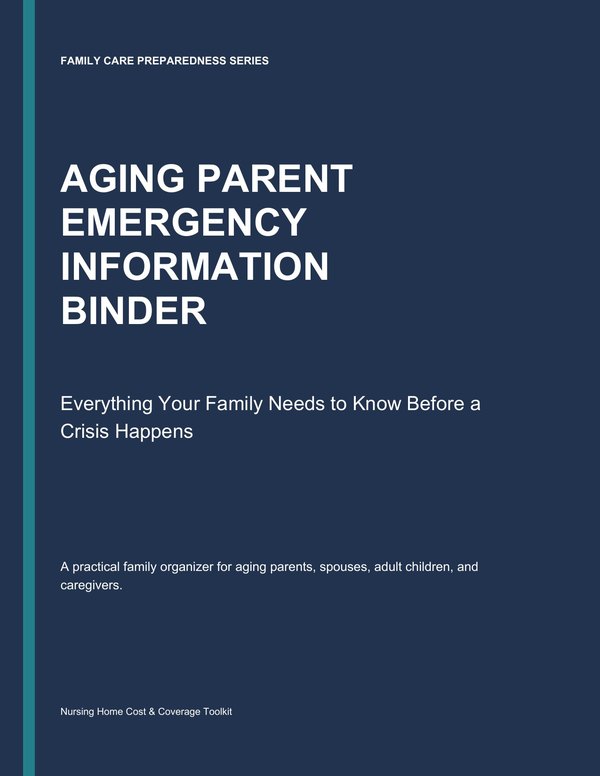
A place to write it all down: the Aging Parent Emergency Information Binder gives you fill-in pages for the answers from this conversation: doctors, medications, insurance, legal documents, key contacts and your parent’s wishes. Filling it in together is an easy, low-pressure way to get the talk started. Get it on Amazon.
What if your parent refuses to talk about assisted living or other care?
If your parent refuses, stop pushing, find out what they are afraid of, and try again another day. “No” often means “I’m scared of losing my home, my independence or my say.” It rarely means the subject is closed forever.
- Ask what worries them most. Then address that one thing instead of the whole plan.
- Offer choices, not ultimatums. Two options they can pick between feel very different from one option they are told to accept.
- Suggest a small first step. A little help with one task, or simply visiting a community “just to look,” is easier to agree to than a move.
- Bring in someone they trust. A longtime friend, a faith leader or their own doctor may be heard differently than an adult child.
- Respect their right to decide. An adult who understands the choice gets to make it, even if you would choose differently.
If you believe your parent is in immediate danger, call 911. For non-urgent safety concerns, their doctor or your local Area Agency on Aging can point you to help.
Who should be part of the family conversation?
Your parent should be at the center of the conversation, along with the relatives who will actually share the work. The National Institute on Aging notes that some families find a meeting or a conference call is a good way to talk through the pros and cons of each option, with the aim of a plan that works for everyone, especially the older person.
What is a simple checklist for talking to parents about senior care?
A simple checklist has three parts: prepare, talk, and follow up. Print this and tick the boxes as you go.
Before the talk
- Learn the basic options so you can discuss them together. Our comparison of a CCRC, assisted living and a nursing home is a good primer.
- Check in with siblings so your parent doesn’t hear mixed messages.
- Pick a quiet, private time when nobody is rushed or tired.
- Choose one or two questions from the table above.
During the talk
- Open with why you are asking: you want to follow their wishes.
- Ask, then listen. Take notes if they are comfortable with it.
- Stop when anyone gets tired or upset. Agree on when to pick it back up.
After the talk
- Write down what was decided and share it with the family members your parent named.
- Gather key information in one place: doctors, medications, insurance cards, legal papers and contacts.
- Call the Eldercare Locator at 1-800-677-1116, a public service of the U.S. Administration for Community Living, to find your local Area Agency on Aging and other services near your parent.
- Set a date to revisit the plan. Needs and wishes change.
Frequently asked questions
How do I bring up assisted living with my parents?
Bring it up as a question about their future wishes, not as a decision you have already made. Ask what they would want if the house became hard to manage, then offer to look at options together. Visiting a community with no commitment can make the idea feel less frightening.
What if my siblings and I disagree about our parent’s care?
Start with what your parent has said they want, and work from shared facts instead of impressions. A family meeting with a short agenda helps. If you stay stuck, a neutral third party such as a social worker, a care manager or a family mediator can help you reach a plan.
Can I make care decisions for my parent if they say no?
Generally, an adult who is able to make their own decisions has the right to make them, including ones the family disagrees with. The rules about who can decide for someone else depend on state law and the documents your parent has signed. An elder-law attorney in your parent’s state can explain what applies.
Where can I find local senior care help for my parents?
The Eldercare Locator (1-800-677-1116 or eldercare.acl.gov) connects older adults and their families with local services. Your Area Agency on Aging and your state or local office on aging can also recommend services in your parent’s community.
Resources: books that help families plan senior care
These five guides and workbooks by Raymond Ali are written for families in the middle of these decisions. You can also see them all in the SNF Books collection.
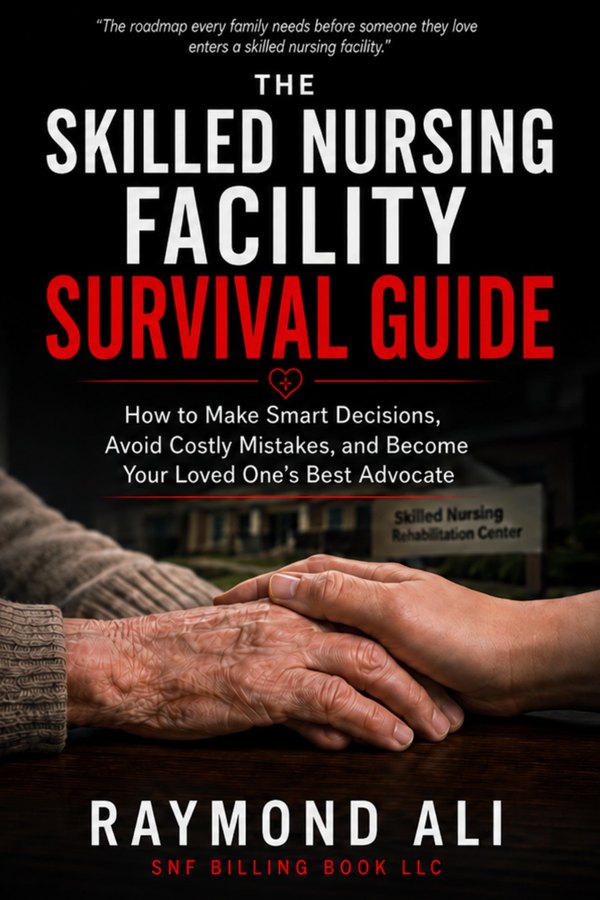
The Skilled Nursing Facility Survival Guide
Buy on Amazon · Buy at Barnes & Noble
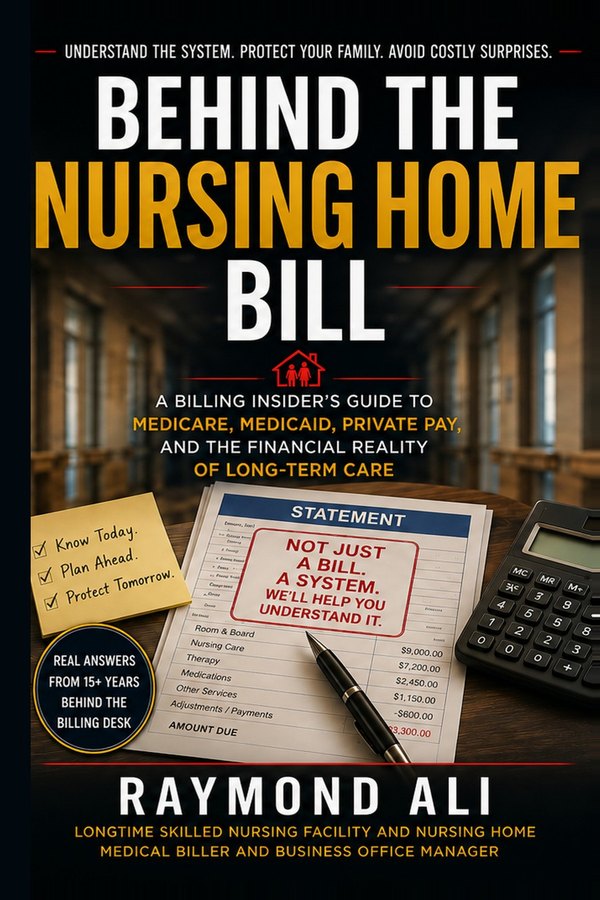
Behind the Nursing Home Bill
Buy on Amazon · Buy at Barnes & Noble
Aging Parent Emergency Information Binder
Buy on Amazon
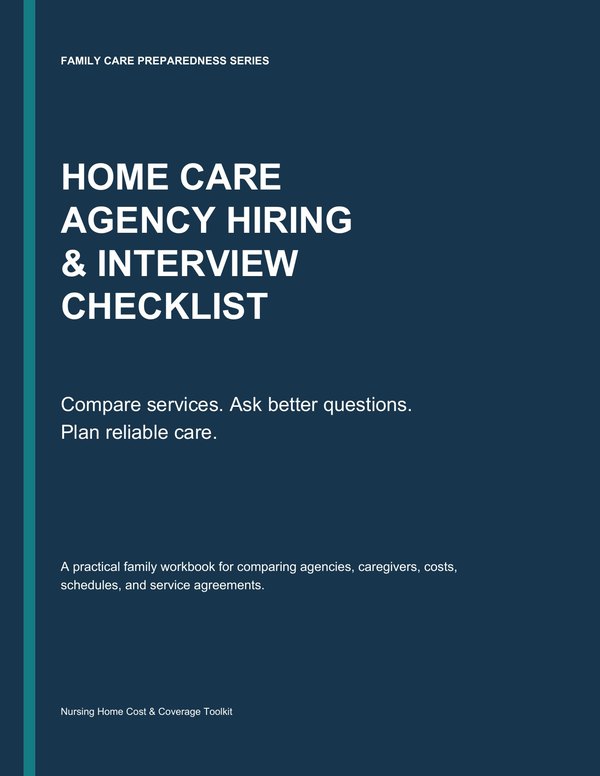
Home Care Agency Hiring & Interview Checklist
Buy on Amazon
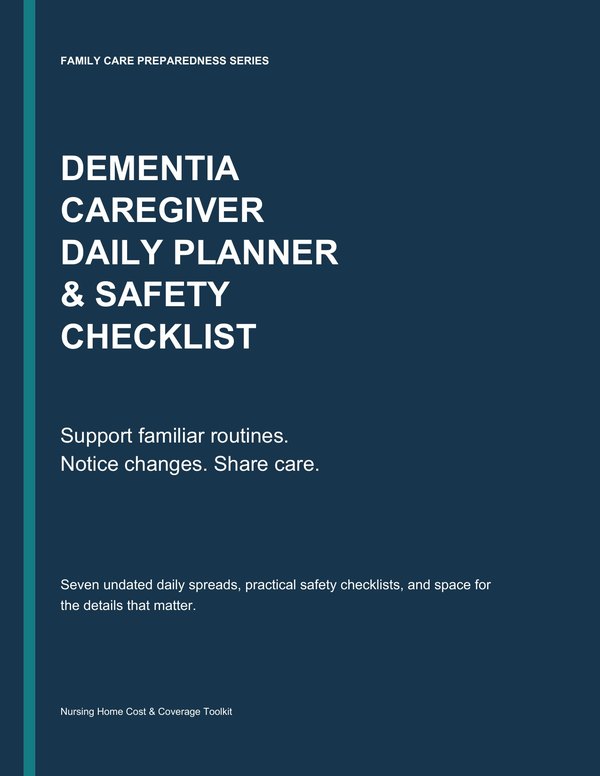
Dementia Caregiver Daily Planner & Safety Checklist
Buy on Amazon
Sources
- National Institute on Aging: What Is Long-Term Care?
- National Institute on Aging: Advance Care Planning: Advance Directives for Health Care
- Administration for Community Living: Eldercare Locator
- AARP: How to Hold a Family Caregiving Meeting
Disclaimer: This article is educational only. It is not legal, financial or medical advice.

