Quick answer: Skilled nursing care is nursing or therapy care that can only be done safely and effectively by, or under the supervision of, professionals or technical personnel, such as nurses and physical, occupational or speech therapists. It is different from custodial care, which is help with daily activities like bathing, dressing and eating.
Hospital discharge planners and nursing home staff use a lot of shorthand: SNF, ADLs, MDS, care plan. After more than 15 years in the business office of skilled nursing facilities, I know how easy it is to nod along without being sure what the words mean. This glossary explains the terms you are most likely to hear, in plain English, so you can ask better questions and take part in decisions.
What is skilled nursing care?
Skilled nursing care is health care that requires the training of a nurse or therapist to be done safely. Medicare.gov describes skilled care as nursing and therapy care that can only be safely and effectively performed by, or under the supervision of, professionals or technical personnel. It is care given to treat, manage and observe a condition and to evaluate how the care is working.
The skilled services families hear about most often are:
- Skilled nursing care from licensed nurses
- Physical therapy (often shortened to PT)
- Occupational therapy (OT)
- Speech-language pathology services (speech therapy, or ST)
Skilled care is not tied to one type of building. It can be given in a skilled nursing facility, and it can also be given at home through a home health agency.
What is the difference between skilled nursing care and custodial care?
The difference is who has to provide the care: skilled nursing care needs a nurse or therapist, while custodial care is hands-on help with everyday tasks. Medicare.gov explains that most nursing home care is custodial care, which helps people with activities of daily living like bathing, dressing and eating.
Many residents receive both at the same time. Someone recovering after a hospital stay may get therapy and nursing care (skilled) along with help getting dressed and to the dining room (custodial). The label matters because staff, insurers and paperwork all use it, so it is worth asking plainly: “Is the care my parent is getting right now considered skilled or custodial?” Coverage rules are a separate subject and they change, so take those questions to the facility’s business office and your insurance plan.
Is a skilled nursing facility the same as a nursing home?
In everyday conversation, yes: most people use “skilled nursing facility” and “nursing home” for the same place. The technical difference is in certification. Federal rules use skilled nursing facility (SNF) for a facility certified to participate in Medicare and nursing facility (NF) for one certified to participate in Medicaid. One building can hold both certifications, and both types must meet the same federal requirements for nursing homes. State survey teams inspect them.
If you are still sorting out which kind of community fits, see my guide to the difference between a CCRC, assisted living, and a nursing home. When you are ready to compare specific facilities, here is how to read Medicare Care Compare nursing home ratings.
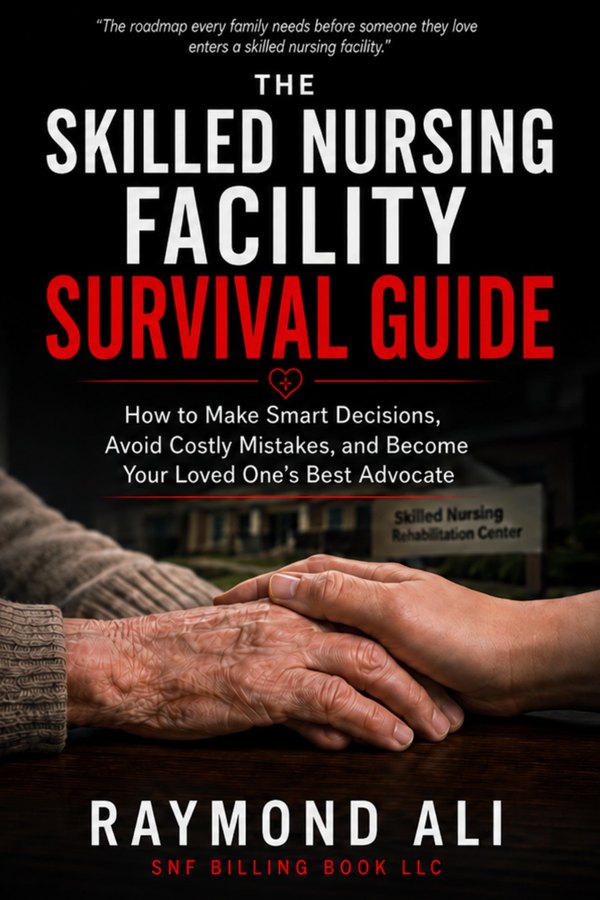
New to the world of skilled nursing? The Skilled Nursing Facility Survival Guide explains how facilities work, what to ask before and after admission, and how to speak up for your loved one at care plan meetings and at discharge. Get it on Amazon or Barnes & Noble
What skilled nursing terms should families know?
Families should know about a dozen skilled nursing terms, because they come up in almost every admission, care plan meeting and discharge conversation. Here they are in plain English.
| Term | What it means in plain English |
|---|---|
| Skilled nursing care | Nursing or therapy care that must be done by, or supervised by, trained professionals. |
| SNF (said “sniff”) | Skilled nursing facility. A nursing home certified to participate in Medicare. |
| NF | Nursing facility. A nursing home certified to participate in Medicaid. Many people simply say “nursing home” for both. |
| Custodial care | Help with everyday personal tasks rather than medical treatment. |
| ADLs | Activities of daily living: basic self-care such as bathing, dressing and eating. |
| Short stay | A temporary stay, usually for rehab after a hospital visit, with the goal of going home. |
| Long stay | Living in the nursing home on an ongoing basis. Also called long-term care. |
| PT, OT, ST | Physical therapy, occupational therapy and speech-language pathology. |
| MDS | Minimum Data Set. The standardized assessment nursing homes complete for residents. It guides care planning. |
| Care plan | The written plan for a resident’s care, built around their needs, goals and preferences. |
| Interdisciplinary team | The group of staff from different departments who prepare the care plan together. |
| Resident representative | A person the resident chooses, or who is authorized by law, to support or act for the resident. |
| Discharge planning | The process of preparing a resident to leave the facility and move safely to the next setting. |
| Long-term care ombudsman | An independent advocate who works to resolve problems for residents of nursing homes and other long-term care facilities. |
| Survey | The inspection state survey teams carry out to check that a nursing home meets federal requirements. |
Who is on the care team in a skilled nursing facility?
The care team in a skilled nursing facility is called the interdisciplinary team, and it includes staff from several departments. Under the federal care planning rule, the team that prepares the comprehensive care plan includes the attending physician, a registered nurse responsible for the resident, a nurse aide, a member of the food and nutrition services staff, and other staff based on the resident’s needs, such as therapists or a social worker.
The resident and the resident’s representative are meant to be part of that process too. The rule calls for their participation to the extent practicable, so ask when the care plan meeting is and plan to be there or join by phone.
What should I ask when I hear a skilled nursing term I don’t understand?
Ask staff to explain it in plain English, then follow up with questions that connect the term to your loved one’s care. Use this checklist:
- Is my loved one here for a short stay (rehab) or a long stay?
- Which skilled services are they receiving right now: nursing, PT, OT, speech?
- Is the care they are getting today considered skilled or custodial?
- When is the care plan meeting, and how can I take part?
- Can I have a written summary of the care plan?
- Who is my main contact on the care team, and what is the best way to reach them?
- What are the discharge goals, and who is working on the discharge plan?
- Who do I talk to if I have a concern, and how do I contact the long-term care ombudsman?
Write the answers down, with the date and the name of the person you spoke with. A simple notebook makes later conversations much easier.
Frequently asked questions
What does SNF stand for?
SNF stands for skilled nursing facility. Staff often pronounce it “sniff.” It refers to a nursing home certified to participate in Medicare.
Is skilled nursing care only provided in a nursing home?
No. Skilled nursing care can be provided in a skilled nursing facility or at home through a home health agency. What makes it skilled is who must provide it, not where it happens.
Is skilled nursing the same as assisted living?
No. Assisted living mainly offers housing and help with daily activities, and it is licensed by each state. A skilled nursing facility provides round-the-clock nursing care and must meet federal nursing home requirements.
What are activities of daily living?
Activities of daily living, or ADLs, are basic self-care tasks such as bathing, dressing and eating. How much help a person needs with them is a big part of deciding what kind of care fits.
How soon is a care plan created after a nursing home admission?
Federal rules call for a baseline care plan within 48 hours of admission. A more complete, comprehensive care plan follows once the full assessment is done.
Who can I call if I have concerns about care in a skilled nursing facility?
Start with the nurse in charge or the administrator. You can also contact your long-term care ombudsman program. Ombudsman programs operate in every state and work to resolve problems related to residents’ health, safety, welfare and rights.
Resources: Raymond Ali’s books for families
Learning the vocabulary is the first step. These books and workbooks help with the next ones. You can also see all of them on the SNF Books homepage.
The Skilled Nursing Facility Survival Guide
How to make smart decisions, avoid costly mistakes, and become your loved one’s best advocate, from choosing a facility through admission and discharge.
Buy on Amazon · Buy at Barnes & Noble
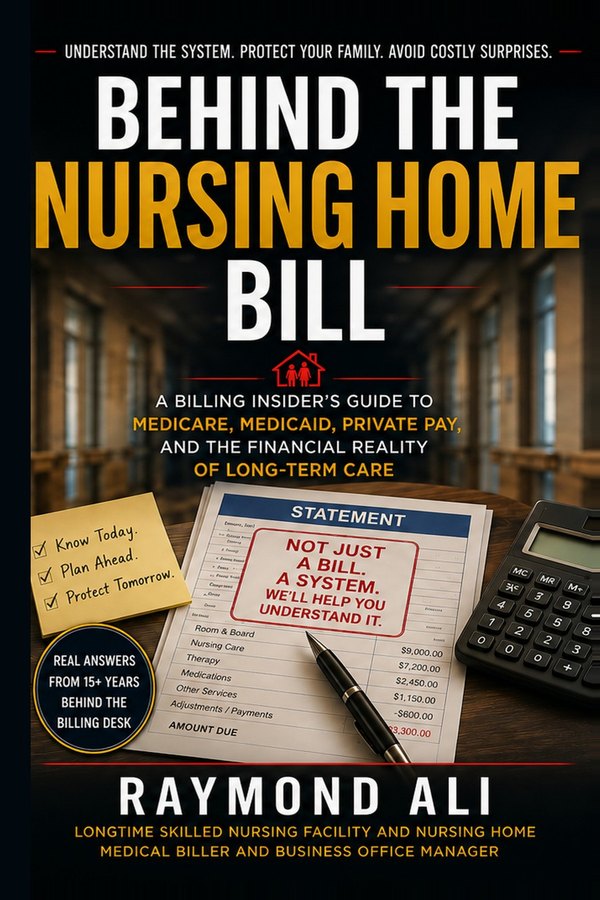
Behind the Nursing Home Bill
A billing insider’s guide to how nursing home billing and long-term care coverage really work, so nothing catches your family off guard.
Buy on Amazon · Buy at Barnes & Noble
Aging Parent Emergency Information Binder
Doctors, medications, insurance details, legal documents, and emergency contacts in one place.
Home Care Agency Hiring & Interview Checklist
Interview questions, reference checks, and service-agreement red flags for comparing agencies.
Dementia Caregiver Daily Planner & Safety Checklist
Daily spreads for medications, meals, sleep, and behavior, plus wandering and fall-safety checklists.
Sources
- Medicare.gov: Skilled nursing facility care
- Medicare.gov: Nursing homes
- National Institute on Aging: What is long-term care?
- CMS: Minimum Data Set (MDS) 3.0 for nursing homes
- Code of Federal Regulations: 42 CFR 483.21, Comprehensive person-centered care planning
- Administration for Community Living: Long-Term Care Ombudsman Program
This article is for general education only; it is not legal, financial or medical advice. Rules and terms can change, so confirm details with the facility and the official sources above.

