Quick answer: To read Medicare Care Compare for a nursing home, start with the overall star rating, then open the three ratings behind it: health inspections, staffing, and quality measures. Check the inspection details and any warning icons, compare two or three nearby facilities, and always confirm what you see with an in-person visit.
When a hospital tells you a parent needs a nursing home, you may have only a day or two to choose. After more than 15 years in the business office of skilled nursing facilities, I can tell you the fastest free research tool you have is Medicare’s Care Compare website. It shows nursing home star ratings, inspection results, and staffing for facilities that participate in Medicare or Medicaid. Here’s how to read it without getting lost.
What is Medicare Care Compare?
Medicare Care Compare is a free federal website where you can look up and compare nursing homes and other providers by location. For nursing homes, it pulls together information CMS (the Centers for Medicare & Medicaid Services) collects through state inspections, staffing reports that facilities submit, and resident assessment and claims data.
You can search by ZIP code, city, or facility name, then pick up to three nursing homes to view side by side. Each facility page shows an overall star rating plus the details behind it.
How do nursing home star ratings work on Care Compare?
Nursing home star ratings run from one star (much below average) to five stars (much above average), and each facility gets an overall rating plus three separate ratings. According to CMS’s Five-Star Quality Rating System, the overall rating starts from the health inspection rating and can move up or down based on the staffing and quality measure ratings.
Nursing home star ratings at a glance
| Rating | What it’s based on | What to look for |
|---|---|---|
| Overall | A combination of the three ratings below, anchored to health inspections | A quick first filter, not the final answer |
| Health inspections | The two most recent standard state inspections, plus complaint and infection-control inspections from about the last three years (recent findings count more) | The number and seriousness of citations, and whether the same problems repeat |
| Staffing | Payroll-based staffing data the facility submits, adjusted for how much care residents need | Registered nurse (RN) hours, weekend staffing, and staff turnover |
| Quality measures | Resident assessment data and Medicare claims, shown separately for short-stay (rehab) and long-stay residents | Measures that match your loved one’s situation, such as falls with injury, pressure ulcers, or return to the community |
How do I read a nursing home’s health inspection results?
Read a nursing home’s inspection results by opening the health inspection section and looking past the star count to the actual citations. State survey teams inspect nursing homes on behalf of CMS and cite facilities when they don’t meet federal requirements. Care Compare lists those citations and lets you view details of what inspectors found.
- Look at severity, not just the count. A citation that caused harm to a resident is more serious than a paperwork issue.
- Watch for repeats. The same problem cited in more than one inspection suggests it wasn’t truly fixed.
- Read the complaint inspections. These are triggered when someone reports a concern, so they can show you what residents and families are worried about.
What do the warning icons on Care Compare mean?
The warning icons flag facilities that need a closer look before you go any further. Two to know:
- Abuse icon: Shown when a facility has been cited for abuse that harmed a resident, or cited for abuse repeatedly. CMS also limits the health inspection rating for these facilities.
- Special Focus Facility (SFF): CMS’s program for nursing homes with a history of serious quality problems. These facilities get more frequent inspections, and Care Compare marks them with a warning icon.
An icon doesn’t automatically mean you should cross a facility off your list, but it does mean you should ask direct questions and ask to see what’s been done to correct the problems.
What does the staffing rating tell me?
The staffing rating tells you how much nursing time residents receive and how stable the nursing team is. CMS builds it from payroll-based data facilities submit, including RN hours and total nurse hours per resident day, weekend staffing, and turnover among nurses and administrators.
In my experience, turnover is one of the most telling numbers on the page. When staff and leadership keep changing, care routines and communication with families tend to suffer. Check weekend staffing too.
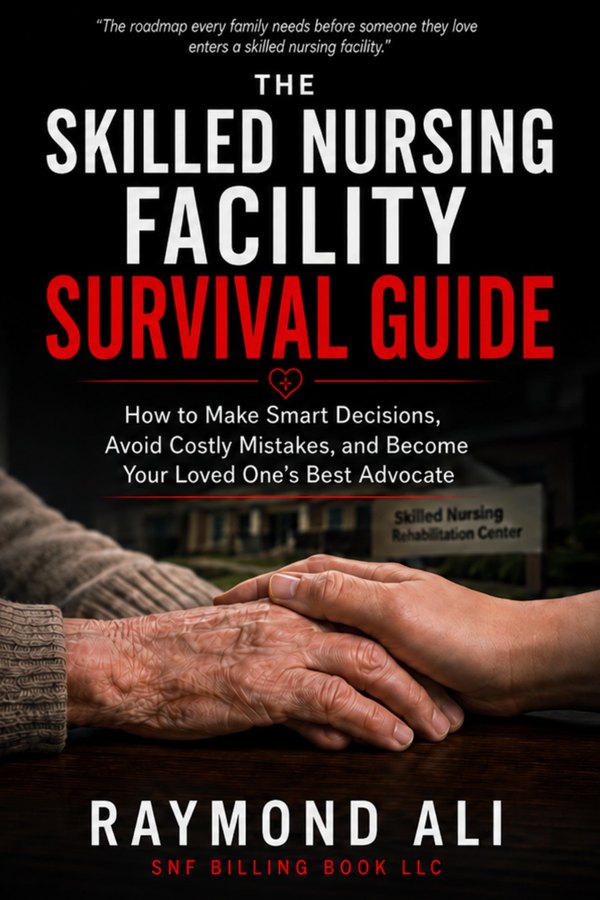
Comparing nursing homes this week? The Skilled Nursing Facility Survival Guide walks you through choosing a facility, the questions to ask on a tour, admission day, and how to advocate for your loved one once they’re settled. Get it on Amazon or Barnes & Noble
Which quality measures should I pay attention to?
Pay attention to the quality measures that match why your loved one is going to the nursing home. Care Compare separates short-stay measures (for people coming from the hospital for rehab) from long-stay measures (for people who will live there).
- Short-stay rehab: Look at how often residents are re-hospitalized, visit the emergency room, or successfully return home, and how their ability to move and care for themselves changes.
- Long-term care: Look at falls with major injury, pressure ulcers, urinary tract infections, use of antipsychotic medications, and declines in daily activities.
Care Compare checklist: 10 steps to check a nursing home’s quality
- Search Medicare Care Compare by ZIP code and filter for nursing homes.
- Shortlist facilities you can realistically visit often.
- Note each overall rating, then open all three ratings behind it.
- Read the most recent inspection citations and look for harm-level or repeat problems.
- Check for the abuse icon or Special Focus Facility status.
- Compare RN hours, weekend staffing, and staff turnover.
- Review the short-stay or long-stay quality measures that fit your situation.
- Compare up to three facilities side by side.
- Call your state’s long-term care ombudsman program and ask what they know about the facilities on your list.
- Tour in person, ideally more than once and at different times of day, and ask about anything on Care Compare that concerned you.
If you’re still deciding what type of care is needed, start with my guide to the difference between a CCRC, assisted living, and a nursing home. Care Compare covers nursing homes; assisted living is licensed by each state, so you’ll check those through your state’s licensing agency instead.
Can I rely on star ratings alone?
No, star ratings alone aren’t enough to choose a nursing home. CMS itself says no rating system can capture everything that matters and recommends combining Care Compare with visits to the facility and help from your local long-term care ombudsman.
Ratings can lag behind what’s happening today, and they can’t tell you whether staff know residents by name or how quickly call lights get answered. Use them to narrow your list and shape your questions.
Frequently asked questions
Is Medicare Care Compare free to use?
Yes. Care Compare is a free public website run by CMS. You don’t need an account to search or compare nursing homes.
How often are nursing home star ratings updated?
CMS refreshes Care Compare data regularly, and ratings can change as new inspections, staffing reports, and quality data come in. Always check the dates shown on the facility’s page.
What is the most important rating on Care Compare?
The health inspection rating carries the most weight because the overall rating starts from it. Staffing and quality measures can move the overall rating up or down.
Are all nursing homes listed on Care Compare?
Care Compare lists nursing homes that participate in Medicare or Medicaid, which covers most of them. Assisted living communities are not rated there.
What should I do if a nursing home I like has a low rating?
Read the specific citations, ask the administrator what has been corrected, contact your state long-term care ombudsman, and visit more than once before deciding.
Who can help me compare nursing homes?
Your state’s long-term care ombudsman program and your local Area Agency on Aging can help. The Eldercare Locator can connect you with local services.
Resources: Raymond Ali’s books for families
Nearly every costly mistake I see comes from families learning the rules on the hardest day. These books and workbooks are written to help you prepare earlier. You can also see all of them on the SNF Books homepage.
The Skilled Nursing Facility Survival Guide
How to make smart decisions, avoid costly mistakes, and become your loved one’s best advocate, from choosing a facility through admission and discharge.
Buy on Amazon · Buy at Barnes & Noble
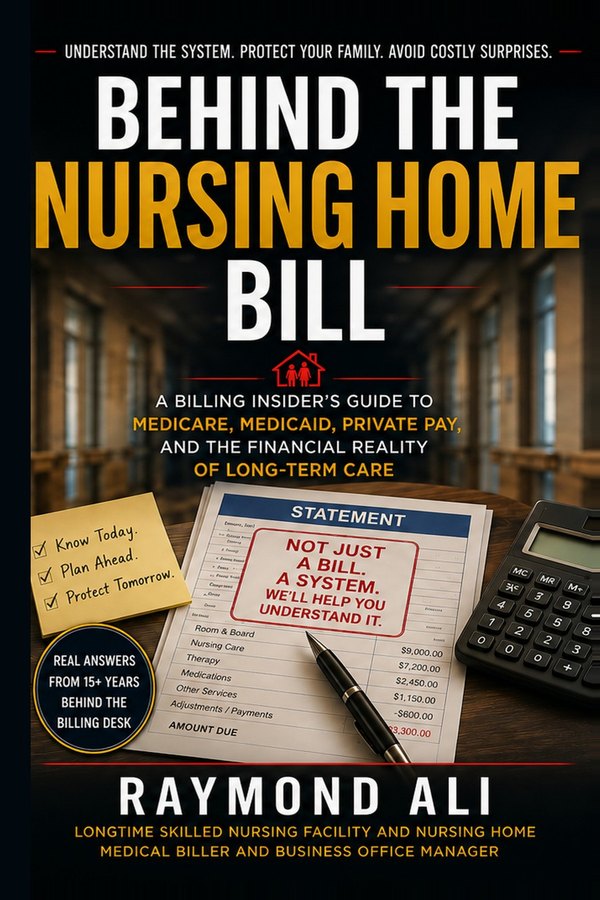
Behind the Nursing Home Bill
A billing insider’s guide to how nursing home billing and long-term care coverage really work, so nothing catches your family off guard.
Buy on Amazon · Buy at Barnes & Noble
Aging Parent Emergency Information Binder
Doctors, medications, insurance details, legal documents, and emergency contacts in one place.
Home Care Agency Hiring & Interview Checklist
Interview questions, reference checks, and service-agreement red flags for comparing agencies.
Dementia Caregiver Daily Planner & Safety Checklist
Daily spreads for medications, meals, sleep, and behavior, plus wandering and fall-safety checklists.
Sources
- Medicare.gov: Care Compare
- CMS: Five-Star Quality Rating System
- CMS: Care Compare Nursing Home Five-Star Quality Rating System Technical Users’ Guide
- National Consumer Voice: Find your Long-Term Care Ombudsman
- ACL: Eldercare Locator
This article is for general education only; it is not legal, financial or medical advice. Care Compare features and rating methods can change, so check the current information on Medicare.gov.

