Quick answer: To make holidays easier for a parent with dementia, keep their usual routine, scale gatherings down, celebrate earlier in the day, brief visitors ahead of time and give your parent simple, safe ways to help. Plan a quiet space and a backup plan, and focus on enjoying the moment rather than recreating every tradition.
Holidays bring noise, crowds, travel and broken routines, which can be hard for someone living with dementia. They can also bring real joy. A little planning helps your parent feel safe, helps relatives know what to expect and keeps you, the caregiver, from running on empty. This guide covers dementia holiday tips for hosting, visiting, gifts and travel.
How do you make holidays easier for a parent with dementia?
You make holidays easier for a parent with dementia by planning a smaller, calmer celebration built around their normal day. The Alzheimer’s Association suggests keeping the person’s routine as steady as possible, holding on to traditions that bring joy, dropping the ones that cause stress and giving yourself permission to do only what you can reasonably manage.
That might mean a potluck instead of cooking everything yourself, asking another relative to host, or swapping a long evening dinner for a short brunch. The goal is not a perfect holiday. It is a good afternoon your parent can enjoy.
What time of day is best for a holiday gathering with dementia?
Earlier in the day is often best for a holiday gathering when someone has dementia. The Alzheimer’s Association suggests celebrating over lunch or brunch rather than an evening meal, because some people become more confused or agitated in the late afternoon and evening, a pattern often called sundowning. The National Institute on Aging (NIA) also suggests scheduling visits for the time of day when the person is usually at their best.
Keep the room well lit, offer nonalcoholic drink options and set up a quiet room where your parent can rest away from the noise. Plan a natural end time so the visit finishes before your parent tires out.
How do you prepare family and visitors?
Prepare family and visitors by telling them, before they arrive, what has changed and how best to interact with your parent. Both the Alzheimer’s Association and the NIA recommend a short call, email or letter that explains the changes and asks guests to be patient. The NIA suggests reminding visitors that memory loss is part of the disease and not intentional, and that the meaning of the moment together matters more than what the person remembers.
Helpful things to share with guests:
- Introduce yourself by name instead of asking “Do you remember me?”
- Speak calmly, one person at a time, and don’t correct or quiz.
- Expect changes they may not have seen before, especially if it has been a while since their last visit.
- Call before dropping by, so you can prepare your parent.
The NIA also suggests preparing your parent: show photos of visitors in the days before, explain who is coming and, if possible, arrange a short phone call with the visitor ahead of time. If siblings are sharing the load this season, our guide on how siblings can share caregiving can help you divide the holiday jobs.
What is a simple dementia holiday checklist?
A simple dementia holiday checklist covers four stages: planning, preparing guests, the day itself and recovery afterward. Use this table to keep everyone on the same plan:
| When | What to do | Why it helps |
|---|---|---|
| 2–3 weeks before | Hold a family call; agree on what to keep, cut or simplify | Sets realistic expectations so no one person carries it all |
| 1–2 weeks before | Send guests a short note about changes and how to interact | Fewer awkward moments and hurt feelings |
| The week before | Show photos of visitors; keep daily routine steady | Familiar faces and a steady day can reduce confusion |
| Decorating | Skip fake fruit or candy decorations and blinking lights | They can be mistaken for real food or be disorienting |
| The day itself | Gather earlier, keep groups small, set up a quiet room | Less noise and fewer people to keep track of |
| During the visit | Give your parent a simple job, like folding napkins | Helping brings purpose and pleasure |
| Afterward | Line up help so you can rest | Caregivers often feel a post-holiday letdown |
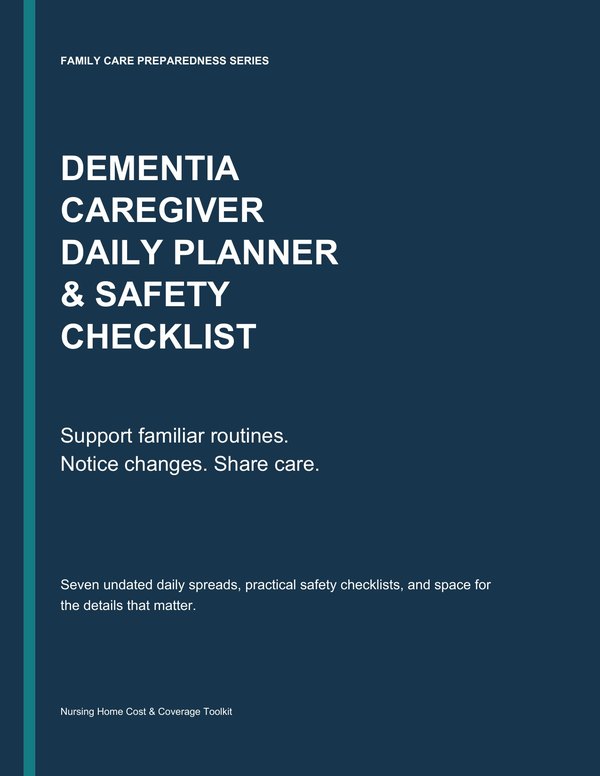
Keep the routine on paper. The Dementia Caregiver Daily Planner & Safety Checklist helps you track your parent’s best times of day, routines and safety notes, so you can plan holiday visits around good hours and hand clear notes to anyone helping. Get it on Amazon.
How can a parent with dementia take part in the holidays?
A parent with dementia can take part in the holidays through simple, familiar tasks they enjoy and can do safely. The Alzheimer’s Association suggests inviting the person to help with cooking, wrapping gifts, decorating or setting the table. The NIA notes that even watching you prepare can bring the pleasure of helping and the fun of looking forward to the day.
Try familiar music, old photo albums, a favorite seasonal movie or a short walk to look at lights. Keep tasks short and let the result be imperfect. Don’t pile on too many activities, which can tire both of you.
How do you visit a parent with dementia in a care facility during the holidays?
To visit a parent with dementia in a nursing home or memory care during the holidays, check the community’s visitation policy first, then plan a short visit at your parent’s best time of day. The Alzheimer’s Association also suggests video or phone calls when an in-person visit isn’t possible, and asks visitors to stay home if they are sick.
- Ask staff whether the facility has its own holiday events you can join.
- Bring one or two visitors at a time rather than the whole family.
- Bring something familiar: a favorite song, treat or photo.
- Think twice before taking your parent out for the day; ask the care team how changes in routine usually affect them.
Should you travel with a parent who has dementia?
You can travel with a parent who has dementia, but it takes careful planning, and sometimes staying put is the kinder choice. The NIA notes that changes in routine and strange places can confuse or frustrate a person with dementia. If you do travel, the Alzheimer’s Association suggests choosing familiar destinations, traveling at the time of day your parent is most rested, building in plenty of downtime and avoiding tight connections.
Bring a current medication list, doctors’ contact details, insurance information and copies of legal papers, and keep identification easy to reach. When flying, the Alzheimer’s Association suggests requesting wheelchair assistance through the airline ahead of time and letting the TSA agent at security know about the dementia diagnosis. Share your itinerary with someone at home.
Frequently asked questions
What are good holiday gifts for someone with dementia?
The Alzheimer’s Association suggests favorite music, photo albums, favorite treats, comfortable easy-to-remove clothing and an identification bracelet. It suggests avoiding complicated electronics, challenging games and tools.
What is the best gift for a dementia caregiver?
Time off. Offer to sit with the person for an afternoon so the caregiver can rest, or give help with meals, housework or yard work.
Should I tell relatives about the diagnosis before the holidays?
Generally yes, in a way that respects your parent’s wishes. A short note explaining what has changed helps guests respond with patience instead of surprise.
What if my parent gets upset during the gathering?
Move to the quiet room, lower the noise and keep your voice calm. It’s fine to end the visit early. A shorter, calmer holiday is still a good one.
Where can I get help during the holidays?
The Alzheimer’s Association 24/7 Helpline is 800-272-3900. The Eldercare Locator (1-800-677-1116 or eldercare.acl.gov) connects you to local services, including respite care. If you’re unsure whether a parent’s changes need attention, see our post on the signs an aging parent needs help.
Resources: books that help families through caregiving
These five guides and workbooks by Raymond Ali are written for families in the middle of these decisions. You can also see them all in the SNF Books collection.
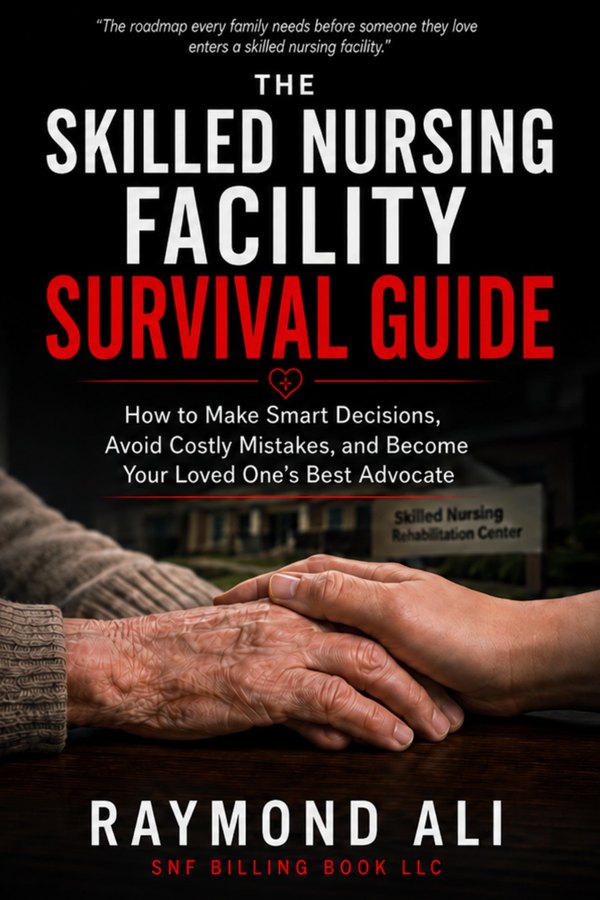
The Skilled Nursing Facility Survival Guide
Buy on Amazon · Buy at Barnes & Noble
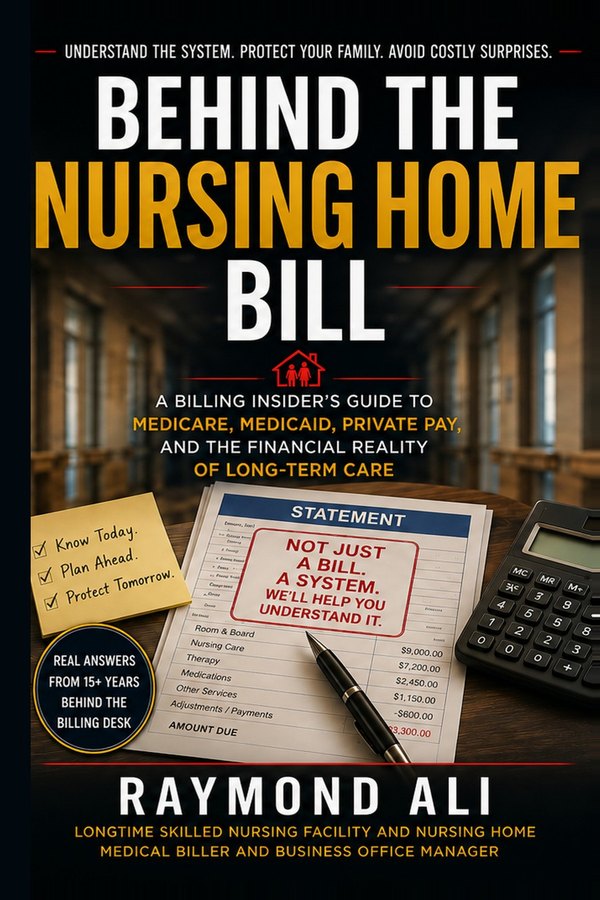
Behind the Nursing Home Bill
Buy on Amazon · Buy at Barnes & Noble
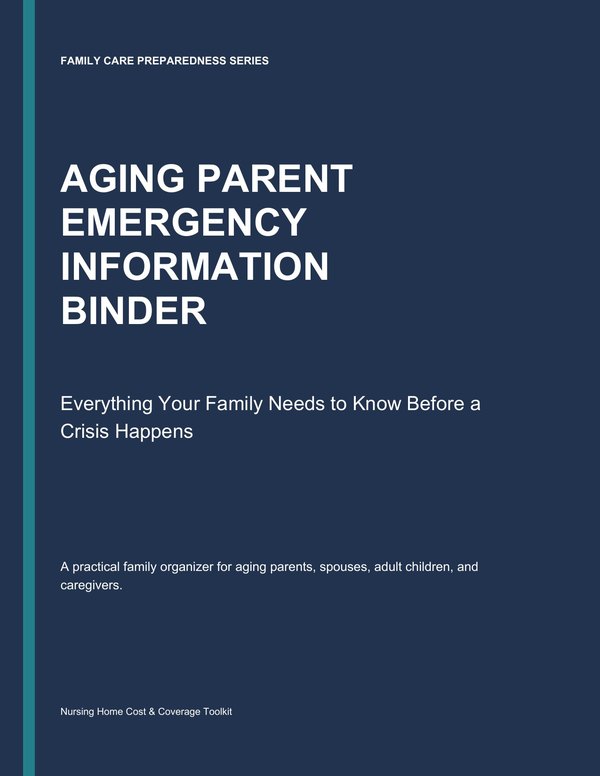
Aging Parent Emergency Information Binder
Buy on Amazon
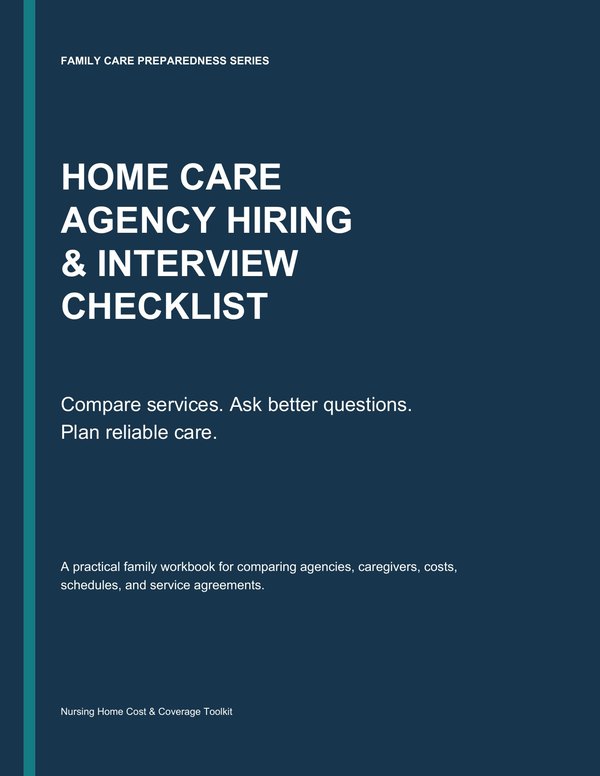
Home Care Agency Hiring & Interview Checklist
Buy on Amazon
Dementia Caregiver Daily Planner & Safety Checklist
Buy on Amazon
Sources
- Alzheimer’s Association: The holidays and Alzheimer’s and Holidays tip sheet (PDF)
- Alzheimer’s Association: Traveling
- National Institute on Aging: Holiday hints for Alzheimer’s caregivers
- Administration for Community Living: Eldercare Locator
Disclaimer: This article is educational only. It is not legal, financial or medical advice.

