Quick answer: Common signs an aging parent needs help include skipped meals or expired food, missed medications, unpaid bills, falls or new bruises, poor hygiene, a cluttered or unsafe home, car dents, pulling away from friends and memory changes that disrupt daily life. One sign alone is not a crisis, but a pattern means it is time to talk.
Holiday visits are often the first time in months that adult children spend several days in a parent’s home. That extra time can reveal changes that are easy to miss on a short phone call. This guide walks through what to notice, how to tell normal aging from a real warning sign, and what to do next without starting a fight at the dinner table.
What are the signs an aging parent needs help?
The signs an aging parent needs help usually show up in everyday routines: eating, bathing, taking medicine, paying bills, getting around and keeping the house safe. The National Institute on Aging (NIA) suggests asking simple questions, such as whether your parent can cook on the stove safely, is bathing regularly, keeps the home reasonably clean and takes medications as directed. AARP adds money, driving and social life to that list.
Here are 10 signs to watch for during a holiday visit:
- Food and meals. Expired or spoiled food in the fridge, very little food in the house, or signs your parent has stopped cooking.
- Medications. Pill bottles that are full when they should be half empty, prescriptions that were never refilled, or confusion about what to take and when.
- Bills and mail. Piles of unopened mail, late notices, duplicate payments or misplaced money.
- Scam exposure. New “friends” asking for money, frequent sweepstakes mail or pressure calls your parent struggles to handle.
- Personal hygiene. Unwashed hair or clothes, body odor, or clothing that does not suit the weather.
- Mobility and falls. Trouble getting out of a chair, bed or car, holding onto furniture to walk, or bruises your parent cannot explain.
- The home itself. New clutter, tripping hazards, burned pots, papers stacked near the stove or chores that used to be done and are not.
- Driving. New dents or scrapes on the car, getting lost on familiar routes or other drivers honking more often.
- Mood and social life. Skipping church, clubs or calls with friends, or seeming flat, withdrawn or irritable.
- Memory and thinking. Repeating the same question, losing track of the date, getting confused in familiar places or struggling with tasks they have done for years.
How can you tell normal aging from a real warning sign?
The difference between normal aging and a warning sign is usually how often it happens and whether it gets in the way of daily life. The NIA notes that occasional forgetfulness is a normal part of aging. Misplacing keys now and then is common. Forgetting to eat, missing medications week after week, or getting lost on the way to the grocery store is different.
The Alzheimer’s Association makes a similar point: making a bad decision once in a while is typical, while a pattern of poor judgment that disrupts daily life is worth raising with a doctor. You do not need to figure out the cause yourself. Your job during a visit is to notice and write down what you see, then let a health care provider do the evaluating.
What should you check during a holiday visit?
During a holiday visit, check the kitchen, the medicine cabinet, the mail, the car and how your parent moves around the house. Use this quick checklist so you are noticing facts, not impressions:
| Area | What to look for | Possible next step |
|---|---|---|
| Kitchen | Expired food, empty fridge, burned pans | Grocery delivery, meal help or a neighbor check-in |
| Medications | Unrefilled prescriptions, missed doses | Bring the list to the next doctor visit; ask the pharmacist about a pill organizer |
| Mail and bills | Late notices, unopened envelopes, scam mail | Offer to help with bills; set up account alerts together |
| Hygiene | Unwashed clothes, skipped bathing | Ask gently whether bathing or laundry has become hard |
| Mobility | Unsteady walking, unexplained bruises | Mention falls to the doctor; clear tripping hazards |
| Home safety | Clutter, poor lighting, items near the stove | Declutter walkways together; add night lights |
| Car | New dents and scrapes | Ride along on a short trip and observe |
| Social life | Dropped activities, few visitors | Ask what has changed; look into local senior programs |
Keep notes with dates. A short written record is far more useful to siblings and doctors than “Mom seemed off at Thanksgiving.”
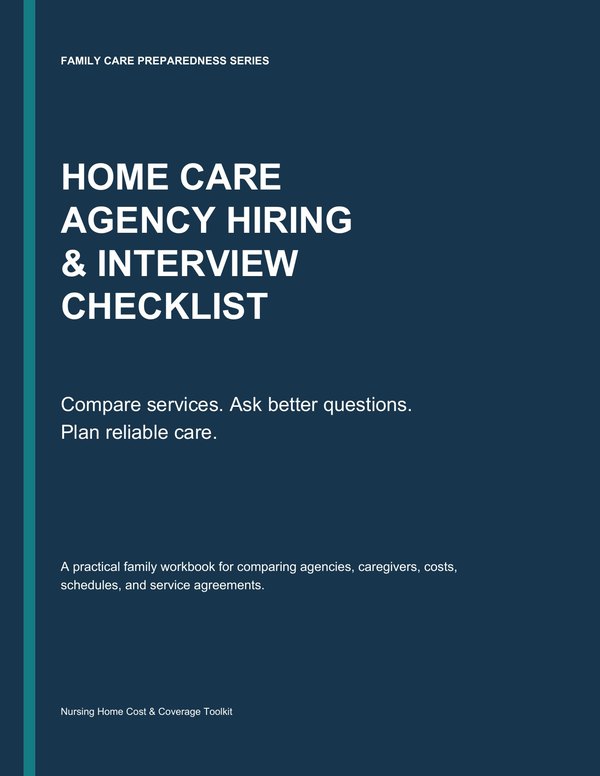
Thinking about bringing in help at home? The Home Care Agency Hiring & Interview Checklist walks you through the questions to ask, the answers to listen for and the red flags to avoid, so you can compare agencies with confidence. Get it on Amazon.
What should you do if you notice signs your parent needs help?
If you notice signs your parent needs help, start with a calm, private conversation, not a family intervention over dessert. The NIA says a good first step is to talk with your parent about your concerns without sounding critical, and to respect their wishes while offering specific help. AARP’s advice is similar: be specific about which tasks look harder, and protect your parent’s sense of control.
- Ask before you tell. “How are things going with the stairs?” opens more doors than “You can’t do the stairs anymore.”
- Start small. Some problems only need attention, not a caregiver. Grocery delivery or a bill-paying routine may be enough for now.
- Suggest a doctor visit. The NIA suggests offering to make the appointment, drive your parent or go along.
- Talk with siblings. Share your notes so everyone is working from the same facts.
- Find local services. The Eldercare Locator (1-800-677-1116), a public service of the Administration for Community Living, connects families to their local Area Agency on Aging.
If this conversation feels daunting, our guide on how to talk to your parents about senior care has conversation starters and tips for when a parent says no.
When is it no longer safe for a parent to live alone?
It may no longer be safe for a parent to live alone when they can no longer manage everyday activities on their own and the gaps put their health or safety at risk. The NIA notes that the need for long-term care can come on suddenly, such as after a stroke, but more often builds over time as a person becomes frailer or an ongoing health condition gets worse.
Signs that call for more than a small fix include repeated falls, wandering or getting lost, leaving the stove on, or missing medications in ways that cause health problems. At that point, families often compare in-home care, assisted living and nursing home care. Our explainer on CCRCs vs. assisted living vs. nursing homes lays out how those options differ.
If a parent says they feel hopeless or have no reason to live, the NIA advises seeking help right away. You can call or text the 988 Suicide & Crisis Lifeline at 988, any time.
Frequently asked questions
What are the first signs an elderly parent needs help?
The first signs are often small changes in routine: less food in the house, unopened mail, missed medications or a parent skipping activities they used to enjoy. Watch for patterns over several days rather than one bad moment.
Is forgetfulness a sign my parent needs more care?
Not always. Occasional forgetfulness is a normal part of aging. Memory problems that disrupt daily life, such as getting lost in familiar places or forgetting to eat, are worth raising with your parent’s doctor.
Should I bring this up during the holidays?
You can, but choose a quiet, private moment rather than a crowded family meal. Many families use the visit to observe and take notes, then follow up with a calm conversation soon after.
What if my parent refuses help?
Ask what would make help feel acceptable, and start with the smallest change. AARP suggests describing outside help by what it does, such as a helper for errands, instead of calling it “caregiving.”
Where can I find help for an aging parent near me?
Contact your local Area Agency on Aging through the Eldercare Locator at 1-800-677-1116 or eldercare.acl.gov. Your parent’s doctor’s office may also be able to point you to care coordination or case management services.
Resources: books that help families through caregiving
These five guides and workbooks by Raymond Ali are written for families in the middle of these decisions. You can also see them all in the SNF Books collection.
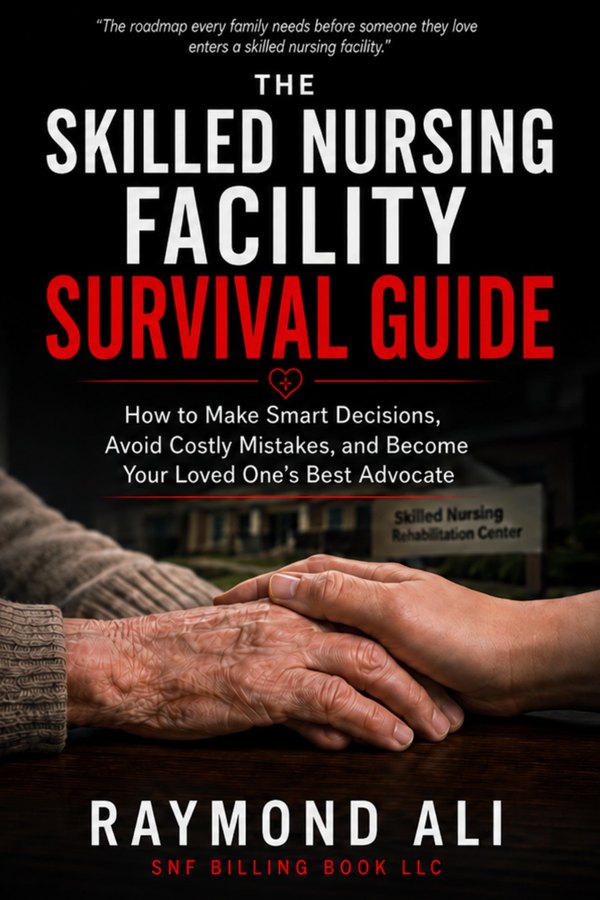
The Skilled Nursing Facility Survival Guide
Buy on Amazon · Buy at Barnes & Noble
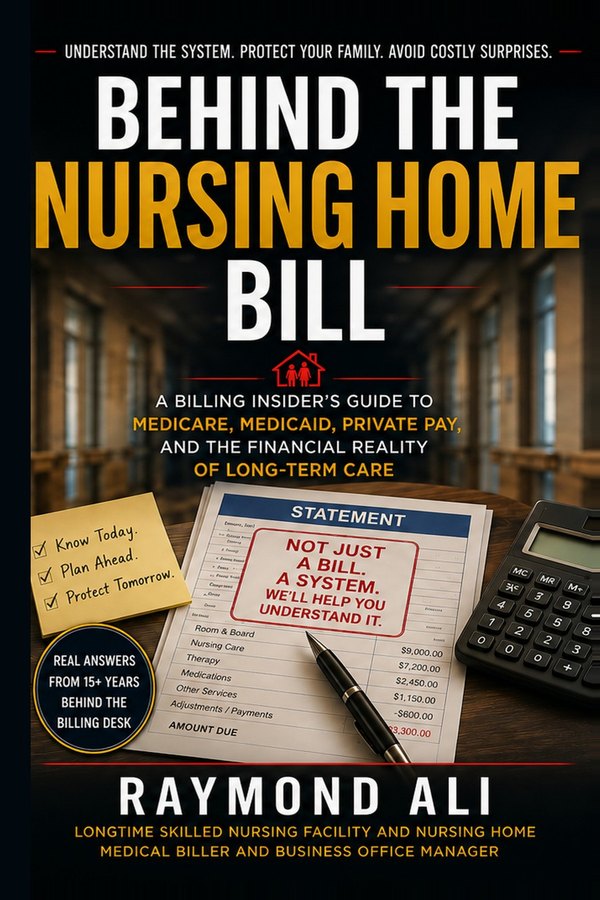
Behind the Nursing Home Bill
Buy on Amazon · Buy at Barnes & Noble
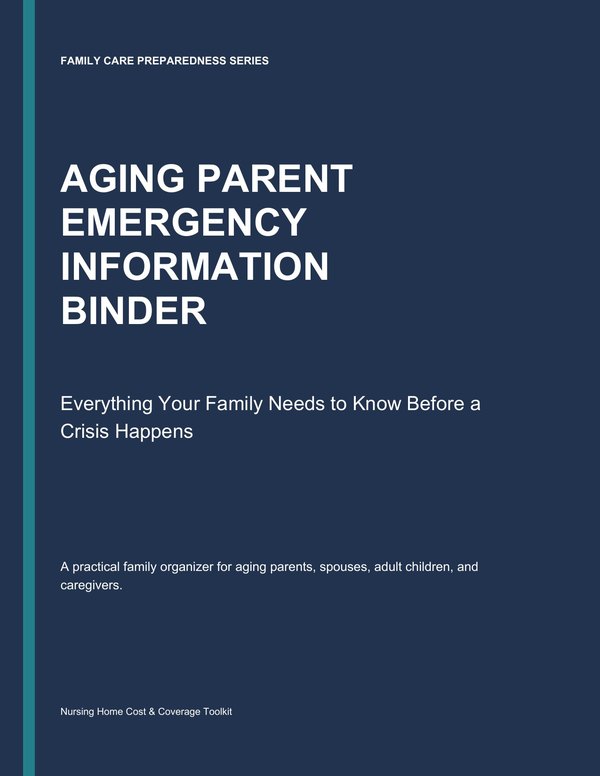
Aging Parent Emergency Information Binder
Buy on Amazon
Home Care Agency Hiring & Interview Checklist
Buy on Amazon
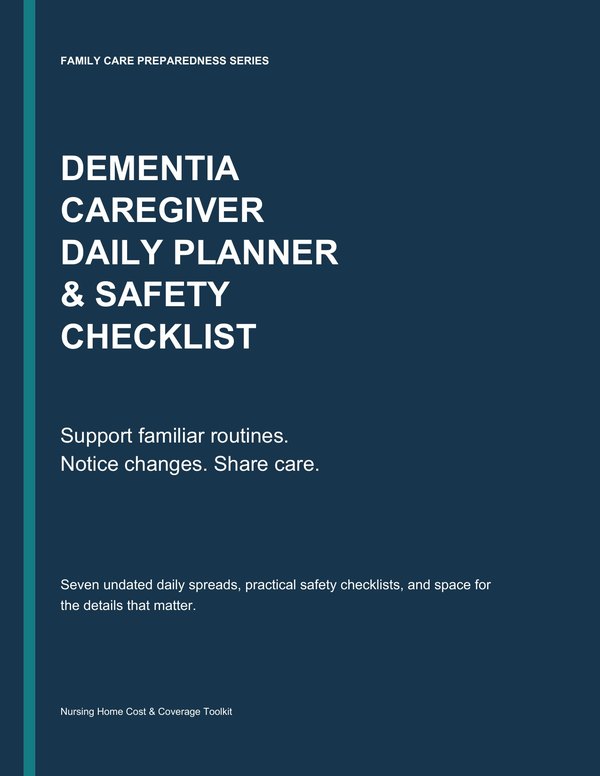
Dementia Caregiver Daily Planner & Safety Checklist
Buy on Amazon
Sources
- National Institute on Aging: Does an older adult in your life need help? and What is long-term care?
- AARP: How to assess if an older adult needs caregiving help
- Alzheimer’s Association: 10 early signs and symptoms
- Administration for Community Living: Eldercare Locator
Disclaimer: This article is educational only. It is not legal, financial or medical advice.

