Quick answer: Siblings can share caregiving for an aging parent by holding a calm family meeting before a crisis, naming one primary caregiver, dividing tasks by each person’s skills and availability, giving long-distance siblings remote jobs like bills and research, keeping one shared record, and revisiting the plan as needs change.
When a parent starts needing help, one sibling often ends up doing most of the work, usually whoever lives closest. Resentment builds, others feel shut out, and decisions get made in a hurry. A little structure prevents most of that. This guide shows how to build a caregiving support team among siblings, including those who live far away.
How can siblings share caregiving for an aging parent?
Siblings share caregiving best when they agree on a plan together, assign each person specific jobs and check in on a regular schedule. The National Institute on Aging (NIA) recommends talking about care needs calmly, ideally before an emergency, and including the older person in that conversation. It also suggests naming one primary caregiver early so someone can step in quickly when a crisis happens.
“Sharing” rarely means splitting everything evenly. AARP notes that contributions probably won’t be equal and may change over time, but each one deserves respect. The goal is a plan where every sibling has a real role and the primary caregiver isn’t carrying it alone.
How do you hold a family caregiving meeting?
Hold a family caregiving meeting at a calm time, invite every sibling and your parent if appropriate, and stick to a short agenda that ends with clear assignments. A video call works when people live in different states. The Alzheimer’s Association suggests regular meetings or conference calls to keep everyone updated and adjust responsibilities as needs change.
A simple agenda for the first meeting:
- Share the facts. What has changed, what the doctor said and what your parent wants. AARP suggests sending doctor-visit notes and discharge summaries to everyone so the whole team works from the same information.
- List the tasks. Write down every job, from rides to appointments to paying bills, plus roughly how much time each takes.
- Ask, don’t assign. Ask each sibling what they are willing and able to do right now.
- Name a point person. Agree on who is the primary caregiver and who backs them up.
- Set the next check-in. Put the next meeting on the calendar before you hang up.
Open by thanking everyone for coming, and agree to treat each other with patience. If your parent hasn’t yet accepted that help is needed, start with our guide on how to talk to your parents about senior care.
How should siblings divide caregiving responsibilities?
Siblings should divide caregiving responsibilities by strengths, location and availability rather than by birth order or guilt. The NIA suggests matching jobs to each person’s skills and interests, and the Alzheimer’s Association recommends listing each task with the time and effort it requires before assigning it. Use this table as a starting point:
| Role | Typical tasks | Good fit for |
|---|---|---|
| Primary caregiver | Day-to-day check-ins, meals, rides, first call in an emergency | The sibling who lives closest and has the most time |
| Medical liaison | Goes to appointments, talks with doctors and nurses, shares updates | Someone comfortable asking questions and taking notes |
| Money and paperwork | Bills, bank statements, insurance paperwork, organizing records | A detail-oriented sibling, local or remote |
| Researcher | Looks up local services, home care agencies and facilities | A long-distance sibling with time online |
| Communicator | Sends family updates, keeps the shared calendar current | Anyone organized, including grandchildren |
| Relief and respite | Takes over for a weekend or week so the primary caregiver can rest | Siblings who can travel a few times a year |
| Home and repairs | Safety fixes, yard work, household maintenance | A handy sibling or one who can hire help |
Write the plan down and share it. Revisit it every few months, because your parent’s needs and each sibling’s life will change.
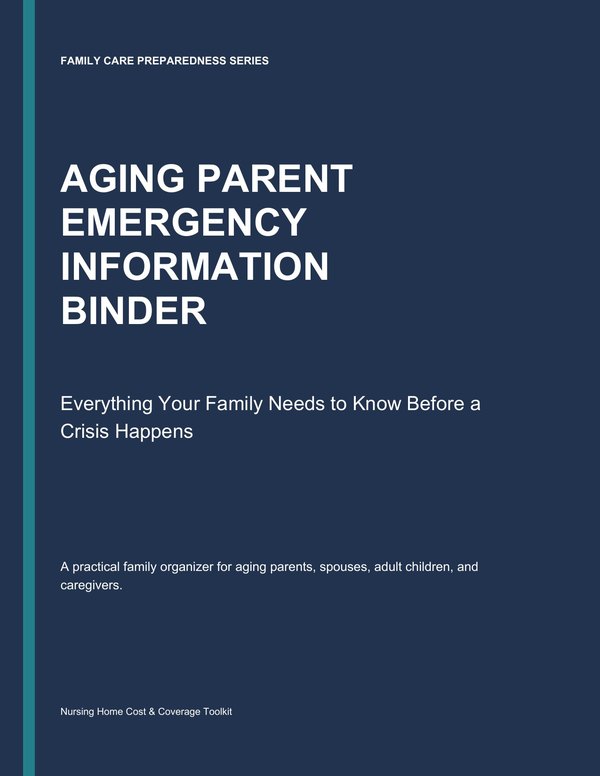
Give every sibling the same information. The Aging Parent Emergency Information Binder puts contacts, medications, doctors, insurance details and key documents in one place, so whoever gets the call can act fast. Get it on Amazon.
How can long-distance siblings help with caregiving?
Long-distance siblings can help by taking on the jobs that don’t require being in the room: paying bills, handling paperwork, researching services and supporting the primary caregiver. The NIA notes that people who live far away can coordinate some care remotely, and should be realistic about the time and money they can spend on travel.
- Call the primary caregiver regularly, and mostly listen.
- Take over online tasks such as bill paying, scheduling and research.
- Find local help through the Eldercare Locator (1-800-677-1116), a public service of the Administration for Community Living that connects families to their local Area Agency on Aging.
- Plan visits that give the primary caregiver real time off, not just a holiday drop-in.
What if one sibling does most of the caregiving?
If one sibling does most of the caregiving, name it openly and ask for specific help rather than general support. The Family Caregiver Alliance advises deciding exactly what you need, watching your tone, and avoiding guilt, which tends to turn conversations into arguments. “Can you handle Mom’s pharmacy refills every month?” works better than “You never help.”
Accept that siblings show care in different ways. Primary caregivers also need breaks: the NIA suggests others visit regularly to give them personal time, or arrange respite through volunteers, in-home aides or adult day programs. When conflict keeps repeating, the Alzheimer’s Association suggests a neutral third party, such as a counselor, mediator or spiritual leader. The Family Caregiver Alliance also mentions social workers and geriatric care managers.
How do siblings keep everyone on the same page?
Siblings keep everyone on the same page with one shared record and one shared calendar that everyone can see. The NIA suggests a caregiving notebook, on paper or electronic, that all caregivers keep updated, or an app for coordinating duties. Include medications, appointments, contacts and recent changes. Our post on the signs an aging parent needs help includes a checklist you can add to it.
Frequently asked questions
Who should be the primary caregiver among siblings?
Usually the sibling who lives closest and has the most flexible time, but it should be a choice, not an assumption. Your parent’s wishes matter, and the role can change as circumstances do.
Do siblings have to split caregiving equally?
No. Fair rarely means equal. Each sibling contributes what they can, whether that’s time, hands-on help, paperwork or emotional support, and the plan should recognize the extra load the primary caregiver carries.
How often should a family caregiving meeting happen?
Many families meet every few months and after any big change, such as a hospital stay. Short regular calls between meetings keep small problems from growing.
What if a sibling refuses to help?
Ask for one small, specific task, and keep the request calm. If that doesn’t work, focus your energy on the people who are helping and look for outside support through your local Area Agency on Aging.
Where can family caregivers get support?
Try the Eldercare Locator at 1-800-677-1116 or eldercare.acl.gov. For dementia care, the Alzheimer’s Association 24/7 Helpline is 800-272-3900.
Resources: books that help families through caregiving
These five guides and workbooks by Raymond Ali are written for families in the middle of these decisions. You can also see them all in the SNF Books collection.
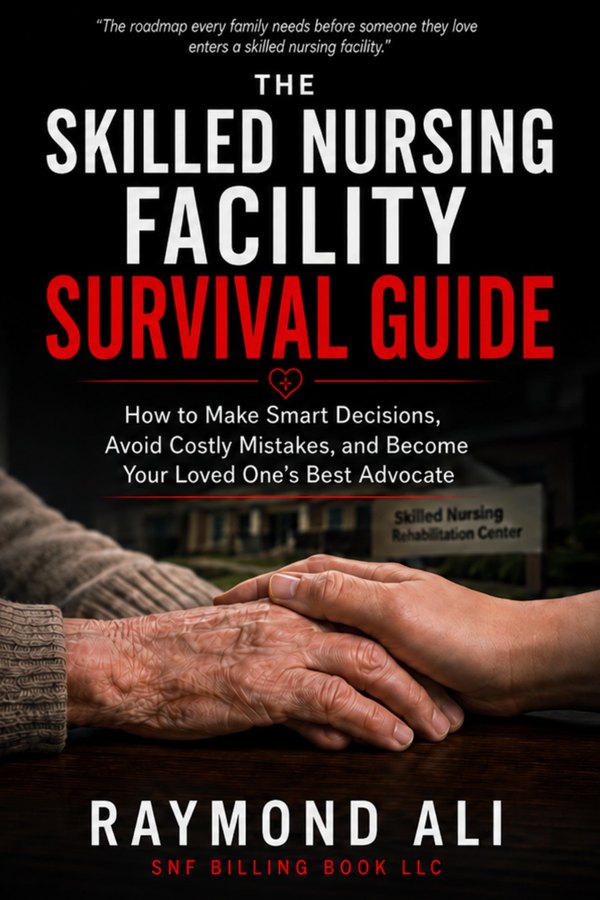
The Skilled Nursing Facility Survival Guide
Buy on Amazon · Buy at Barnes & Noble
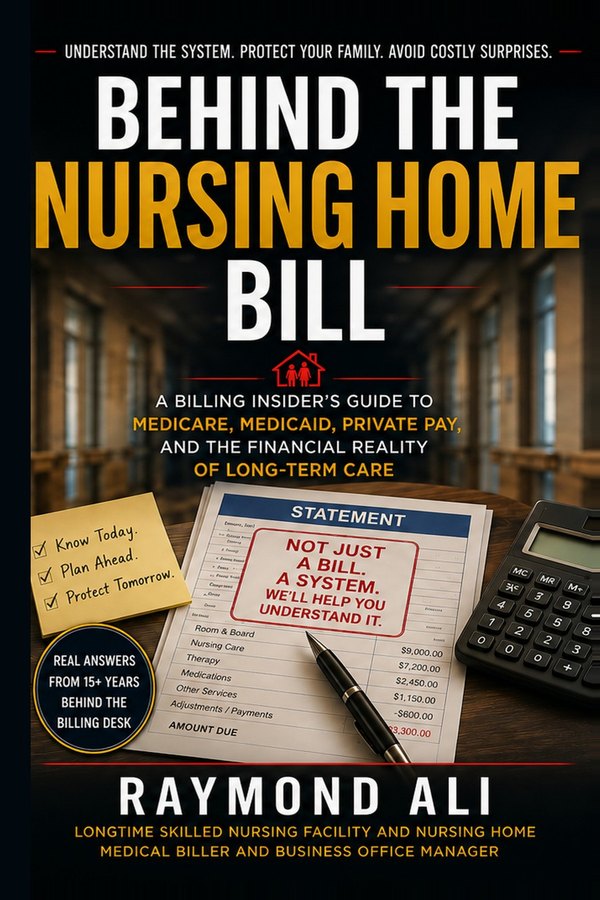
Behind the Nursing Home Bill
Buy on Amazon · Buy at Barnes & Noble
Aging Parent Emergency Information Binder
Buy on Amazon
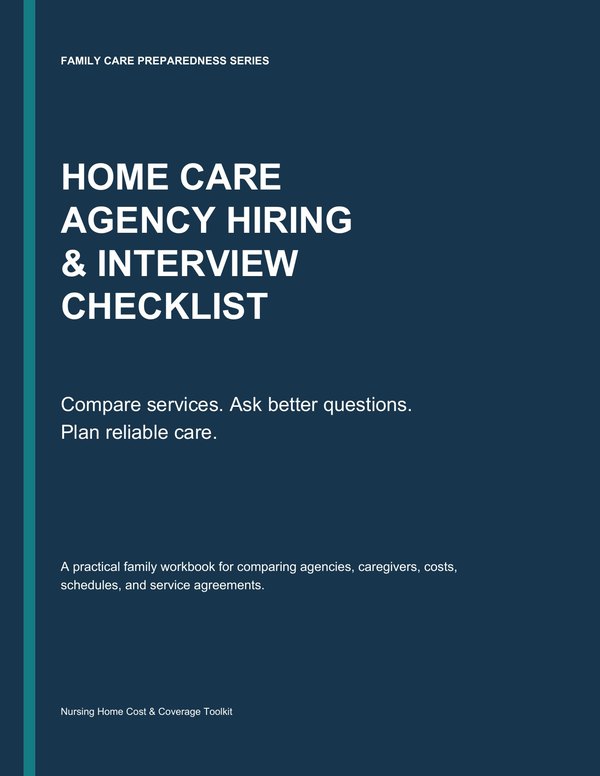
Home Care Agency Hiring & Interview Checklist
Buy on Amazon
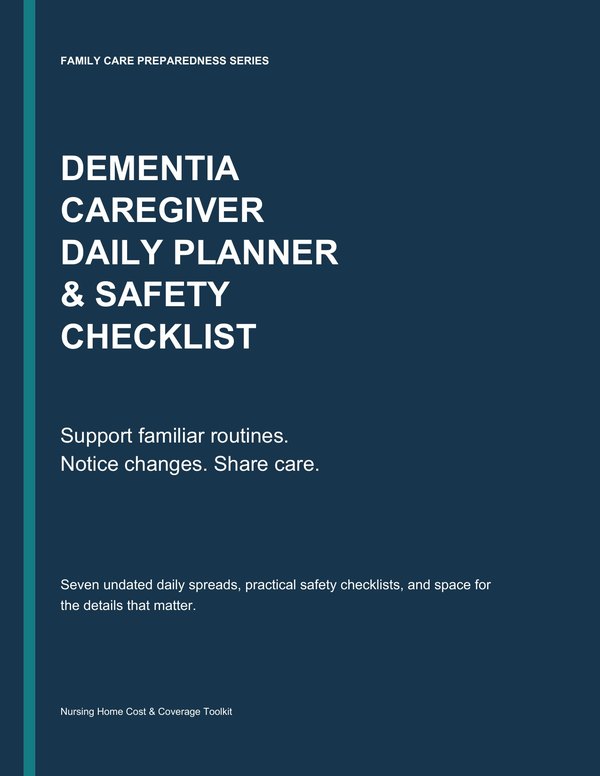
Dementia Caregiver Daily Planner & Safety Checklist
Buy on Amazon
Sources
- National Institute on Aging: Sharing caregiving responsibilities
- Alzheimer’s Association: Resolving family conflicts
- AARP: How to hold a family meeting for caregiving
- Family Caregiver Alliance: Caregiving with siblings: four tips to gain the support of siblings
- Administration for Community Living: Eldercare Locator
Disclaimer: This article is educational only. It is not legal, financial or medical advice.

