Quick answer: Yes. Guilt about placing a parent in a nursing home is one of the most common feelings caregivers describe, and grief often comes with it, sometimes long before a parent dies. These feelings are normal. What helps is naming them, staying involved in your parent’s care, accepting help and leaning on support groups and trusted people.
Is it normal to feel guilty about placing a parent in a nursing home?
Yes, it is normal to feel guilty about placing a parent in a nursing home, even when the move was the safest choice. The Alzheimer’s Association lists guilt among the feelings caregivers commonly have, including the sense of having failed because you could not keep providing care at home.
In an AARP caregiving column, psychologist and family therapist Barry J. Jacobs puts it simply: caregivers are caring people, so they feel guilty, and that is normal. He also notes that many caregiving situations have no perfect answer. Choosing a nursing home usually means choosing between hard options, not between a good one and a bad one.
Guilt often shows up as a voice that says “a better son or daughter would have managed.” That voice ignores what you were weighing: safety, round-the-clock care needs, your own health, your job, other family members and your parent’s need for company.
Why do caregivers feel grief before a parent has died?
Caregivers often grieve before a death because they are already losing parts of the life and relationship they knew. When a parent moves into care, you may grieve the family home, shared routines, your parent’s independence and the role you used to play.
This is sometimes called anticipatory grief. The Alzheimer’s Association says these feelings can begin as soon as a family learns of a diagnosis, that they do not come in a neat order and that you may feel loss more than once as an illness changes. You can feel love, sadness, anger and relief all on the same day.
What feelings are common after a parent moves into care?
The most common feelings after a nursing home move are guilt, sadness, relief, anger and worry, often mixed together. The table below can help you recognize what you are feeling and choose one small next step.
| Feeling | What it can sound like | One thing that may help |
|---|---|---|
| Guilt | “I promised I would never do this.” | Ask what the promise was really about: keeping your parent safe and cared for. |
| Grief | “I miss who Mom used to be.” | Give the loss a name. Talk with someone you trust or a grief counselor. |
| Relief | “I slept through the night and felt ashamed.” | Relief is not a lack of love. It often means you were carrying too much. |
| Anger | “Why am I the one doing all of this?” | Write down specific tasks others can take on and ask directly. |
| Worry | “Are they really taking care of Dad?” | Stay involved: visit, join care plan meetings and keep notes. |
What helps ease caregiver guilt and grief?
What helps most with caregiver guilt and grief is facing the feelings, keeping realistic expectations and getting support instead of carrying everything alone. These steps draw on advice from the Alzheimer’s Association, the National Institute on Aging and AARP:
- Name what you feel. It is okay to feel love and anger at the same time.
- Use a steady phrase. AARP’s column suggests repeating something like “I tried my hardest and did the best I knew how.”
- Set realistic expectations. Focus on what you can control, such as visits, calls and advocacy.
- Say yes to help. The NIA notes that many caregivers wish they had accepted help sooner. Give people a list of specific tasks to choose from.
- Join a support group. Talking with people in the same situation eases isolation. Look for groups in person, online or through a faith community.
- Protect your own health. Keep your own medical appointments, sleep and time for something you enjoy.
- Keep a simple log. Writing down visits, questions and good moments gives you a clearer picture than guilt does.
Caring for a parent with dementia? The Dementia Caregiver Daily Planner & Safety Checklist gives you one place to keep track of daily routines, visits and notes for the care team, so you can see everything you are doing, not only what you feel you are missing. Get it on Amazon.
How can you stay involved after a parent moves into a nursing home?
You can stay closely involved after a parent moves into a nursing home, and federal rules protect much of that involvement. Under federal nursing home regulations (42 CFR 483.10), residents have the right to:
- Take part in planning their care and choose who is included in that process
- See their care plan
- Receive the visitors they choose, with immediate access for immediate family and other relatives, subject to the resident’s consent
- Take part in resident and family groups, which the facility must give private space and whose views it must consider
Ask the social worker when the next care plan meeting is and how family can join. If you have concerns you cannot resolve with staff, every state has a Long-Term Care Ombudsman Program that works to resolve complaints raised by residents or by family on their behalf. Our post on the first 72 hours after a nursing home admission walks through who you will meet and what to expect early on.
When should a caregiver ask for more support?
Ask for more support as soon as you notice the strain building, rather than waiting until you are completely overwhelmed. The National Institute on Aging lists warning signs of caregiver stress, including:
- Feeling exhausted, overwhelmed or anxious
- Becoming irritable or impatient
- Feeling lonely or pulling away from others
- Trouble sleeping
- Sadness that lasts, or losing interest in things you used to enjoy
If grief or guilt feels so heavy that your own well-being is at risk, the Alzheimer’s Association advises asking your doctor or a professional counselor for help. For local support, the Eldercare Locator (1-800-677-1116), a public service of the Administration for Community Living, connects you to your Area Agency on Aging. With National Family Caregiver Support Program grants, states offer services such as counseling, support groups, caregiver training and respite care.
Frequently asked questions
Will the guilt ever go away?
For many caregivers it eases with time, though it may not disappear completely. AARP’s column notes that some guilt can linger even years later. Finding your new role, as visitor, advocate and family member, often helps.
Is it okay to feel relieved after placing a parent?
Yes. Many caregivers feel relief, especially after a long stretch of hands-on caregiving. Feeling relieved does not mean you love your parent any less.
What if my parent asks to come home?
Listen and acknowledge the feeling without arguing about the decision in the moment. Let the care team and social worker know, since they may have ideas that help. Our guide on how to talk to your parents about senior care has tips for hard conversations.
How often should I visit?
There is no right number. Choose a rhythm you can keep up. Some families find steady, shorter visits easier to sustain than long ones that leave them drained. Share the schedule with siblings or friends so visits are spread out.
Who can I talk to right now?
If your parent has dementia, the Alzheimer’s Association runs a 24/7 Helpline at 800-272-3900. The Family Caregiver Alliance (800-445-8106) and the Eldercare Locator can also point you to support groups and local services.
Resources: books that help families through caregiving
These five guides and workbooks by Raymond Ali are written for families in the middle of these decisions. You can also see them all in the SNF Books collection.
The Skilled Nursing Facility Survival Guide
Buy on Amazon · Buy at Barnes & Noble
Behind the Nursing Home Bill
Buy on Amazon · Buy at Barnes & Noble
Aging Parent Emergency Information Binder
Buy on Amazon
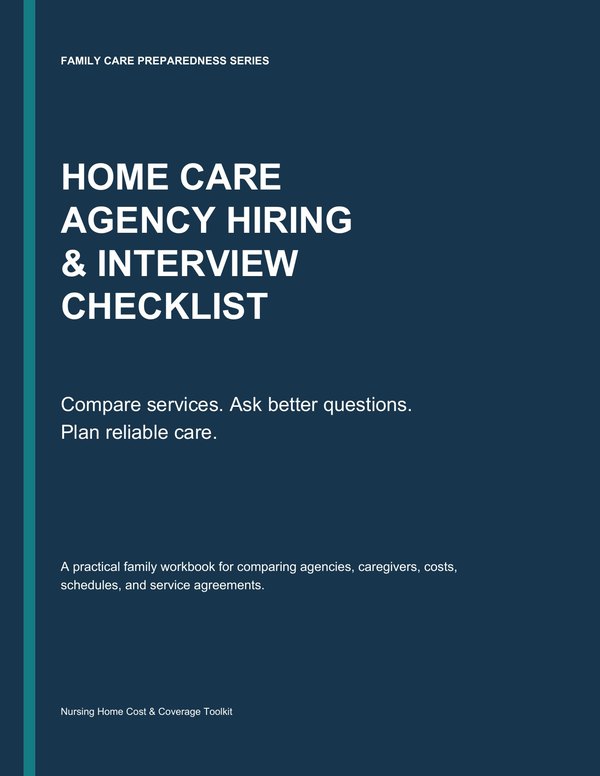
Home Care Agency Hiring & Interview Checklist
Buy on Amazon
Dementia Caregiver Daily Planner & Safety Checklist
Buy on Amazon
Sources
- Alzheimer’s Association: Grief and loss as Alzheimer’s progresses
- National Institute on Aging: Taking care of yourself: tips for caregivers
- AARP: Barry J. Jacobs on nursing home guilt
- eCFR: 42 CFR 483.10, Resident rights
- Administration for Community Living: National Family Caregiver Support Program, Long-Term Care Ombudsman Program and the Eldercare Locator
Disclaimer: This article is educational only. It is not legal, financial or medical advice.

